Song Meaning
The narrator grapples with a profound sense of internal division, questioning their progress and the very nature of their being. The opening lines, "Kdy už tam dojdu / Je to dálka / Je to krása," set a tone of weary aspiration, suggesting a long and perhaps beautiful but arduous journey ahead. This initial reflection quickly gives way to a stark admission: "Tak zdá se, že mě někdo zlomil / A dva, že zě mě nadělal." This isn't a literal breaking, but a fracturing of self, a feeling of being split into two disparate parts.
The core tension lies in this self-inflicted division, described as both "trochu omyl" (a bit of a mistake) and "pravda necelá" (an incomplete truth). The repeated phrase "Já se půlil, krájel, půlil sám" (I split myself, cut, split myself) emphasizes a deliberate, almost willful act of self-fragmentation. This isn't passive victimhood; there's a sense of agency, albeit a painful one, in how the narrator perceives their own internal schism. The act is performed "s vůlí" (with will), suggesting a conscious effort to dissect or understand the self, even if it leads to further confusion.
This internal conflict manifests as a desperate chase: "Doběhnou co se chytit nedá" (Catch up to what can't be caught). The narrator feels they've outrun themselves, a paradoxical state that fuels a continuous search for wholeness. "Já vlastně sebe pořád hledám / A vím, že k sobě dluhy mám" reveals a deep-seated self-reproach and an ongoing quest for a lost or incomplete self. The repeated refrain, "Tak se půlím, krájím, půlím sám," solidifies this as the central, ongoing condition of the narrator's existence, a constant state of being divided and searching.
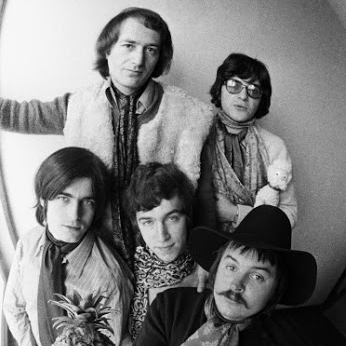
 View Artist