Song Meaning
The lyrics grapple with the daunting prospect of aging, framed not as a natural progression but as a skill to be learned. The narrator expresses a profound anxiety, a feeling of being unprepared for this inevitable transition. This isn't a celebration of wisdom gained, but a raw apprehension about the process itself. The repeated phrase "stárnout, stárnout" underscores this obsessive, almost fearful contemplation of time passing.
The central tension lies in the narrator's self-doubt: "A jestli vůbec na to mám" (And if I even have it in me). This question hangs over the entire piece, suggesting a fear of not measuring up to the perceived demands of aging. It's a worry about personal capacity, a feeling that aging might require a strength or grace they don't possess. The idea of finding "souznění" (harmony) within oneself and avoiding "dluhy z prodlení" (late debts) points to a desire for a peaceful, unburdened later life, but the path there feels uncertain.
The imagery of "sto obručí" (a hundred hoops) on the heart vividly conveys the weight of this anxiety. The contrast between the current state of worry and the imagined future offers a glimmer of hope. The narrator envisions a future where "Svět najednou bude stát" (the world will suddenly stop) and they'll be asked how they want to live, to which they'll respond, "rád" (gladly). This suggests a potential for acceptance and even eagerness, but it's framed as a future possibility rather than a present reality.
Ultimately, the effectiveness of these lyrics stems from their unflinching honesty about a fear many experience but rarely articulate so directly. The focus isn't on the romanticized aspects of growing old, but on the raw, vulnerable question of whether one is equipped for it. The simple, repetitive structure amplifies the narrator's persistent internal monologue, making the anxiety palpable and the eventual, tentative hope for a "hořlavé" (flammable) heart and a life lived "plout kam nejdál" (sail as far as possible) feel hard-won.
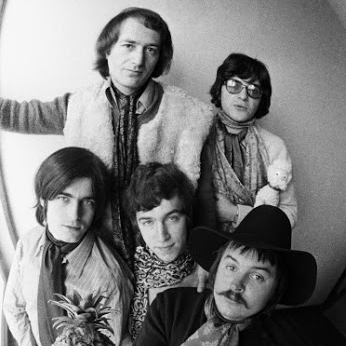
 View Artist