Song Meaning
The lyrics paint a picture of someone observing a loved one consumed by sadness. The narrator notes the physical manifestations of this sorrow – a lack of appetite and a general malaise, described vividly as having "a bug in your head." There's a clear desire to alleviate this pain, a comforting voice that insists "don't despair, it's nothing." This initial observation sets a scene of quiet distress and the narrator's immediate, if perhaps helpless, reaction to it.
The central tension lies in the narrator's self-blame. Despite the comforting words, the repeated question "Maybe I caused it?" hangs heavy. This isn't a confident assertion of responsibility, but a hesitant, almost fearful inquiry. It suggests a deep-seated anxiety that their own actions or presence might be the root of the other person's unhappiness, creating a painful internal conflict between wanting to help and fearing they are the source of the problem.
The most striking element is the stark contrast between the external attempt at reassurance and the internal questioning. The narrator offers platitudes like "it'll change soon," yet the repeated, almost desperate "Maybe I caused it?" reveals a profound insecurity. The final, isolated "Me, me, me..." amplifies this self-absorption, showing how the narrator's own guilt and anxiety are becoming the dominant focus, overshadowing the initial concern for the other person's well-being.
This lyrical construction is effective because it taps into the universal fear of inadvertently hurting someone we care about. The simple, direct language makes the emotional core accessible, while the unresolved self-recrimination creates a lingering sense of unease. The repetition of the central question and the final, stark self-focus leave the listener with the weight of unspoken guilt and the complexity of human connection.
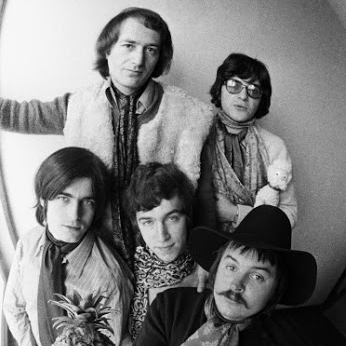
 View Artist