Song Meaning
The narrator decides to play and laugh, accepting whatever comes, perhaps with a touch of fatalism, "Když pánbů dá" (When God gives). This initial resolve seems to stem from a place of unease, admitting "Neuměl jsem najít klid" (I couldn't find peace) and a fear of deception, "A bál se lidem lhát" (And was afraid to lie to people). The core of the narrative crystallizes around a specific, regrettable moment: "Zapomněl jsem pusu dát / Své dívce pohledné" (I forgot to give a kiss / To my pretty girlfriend). This lapse, occurring seemingly at a mundane "v pravé poledne" (at high noon), triggers a cascade of negative feelings and creative block.
The central tension arises from this singular failure and its overwhelming consequences. The narrator feels "tíseň" (anguish) descend, leading to a "špatná" (bad) next song, implying a deep connection between his emotional state and his creative output. The feeling of being trapped is palpable: "Tohleto se nedá" (This is unbearable), and he searches for a path, believing his girlfriend knows the way. This suggests a reliance on her understanding or guidance to overcome his internal struggles.
A striking element is the plea for divine or external intervention. The narrator directly addresses a powerful, mysterious force, asking it to "Dej jí kousek do mé písně" (Give a piece of it into my song) and "Zbav mě tísně / Co mě děsí" (Rid me of the anguish / That scares me). This isn't just about personal regret; it's a desperate call for inspiration and relief, framing his creative block as a terrifying affliction. The repeated refrain of gratitude, "Dokud žiju tak ti něžně / Poděkuju / Za to, že jsi" (As long as I live, I will tenderly / Thank you / For being there), underscores the profound importance of this external entity, whether it's the girlfriend, a muse, or a higher power, in his life and art.
What makes these lyrics resonate is the raw vulnerability in confronting a seemingly small mistake that spirals into existential dread and creative paralysis. The contrast between the simple act of forgetting a kiss and the profound "tíseň" it evokes highlights a fragile emotional landscape. The narrator's direct address and plea for help, coupled with the recurring image of the forgotten kiss, create a powerful sense of regret and a yearning for redemption, making the struggle feel intensely personal and deeply felt.
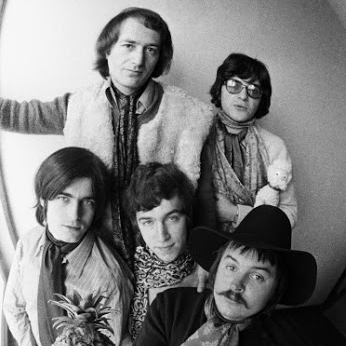
 View Artist