Song Meaning
The lyrics paint a picture of longing and a fractured present, centered around a persistent, closed window. The narrator repeatedly asks who is performing intimate actions for their beloved – kissing, watching over, singing, holding, waking, and even seducing – when it's not them. This constant questioning, punctuated by the unchanging refrain "Okno v přízemí je zavřené i dnes" (The ground-floor window is closed even today), establishes a palpable sense of absence and exclusion. The closed window becomes a stark, unyielding barrier, mirroring the narrator's inability to connect with the person they address as "Lásko má" (My love).
The core emotional tension arises from this forced separation and the narrator's desperate attempt to reclaim a lost intimacy. The repetition of "Kdo tě... když né já" (Who... when not me) isn't just a question; it's a lament, a desperate plea to be the one performing these acts of care and affection. The shift occurs when the narrator looks into the "lesku" (shine) of the window, seeing a reflection of their 15-year-old self. This moment offers a glimpse into a past where such intimacy was possible, where they could "říkám spoustu něžných vět" (say lots of tender words) and declare "Ty, já, jsme, my, my a náš je svět" (You, I, we are, we and our world was).
The most striking craft element is the symbolic weight given to the closed "Okno v přízemí." It's not just a physical object; it's a potent metaphor for emotional unavailability, for a relationship that is shut off and inaccessible. The contrast between the narrator's present exclusion and the remembered past, where "náš byl svět" (our world was), is sharp and poignant. The final line, "Kdo tě zradí, když né já" (Who will betray you, when not me), introduces a darker, more complex layer, suggesting a fear of replacement or a self-awareness of past failings that might have led to this separation.
These lyrics resonate because they capture the universal ache of lost connection and the painful confrontation with one's own past in the face of present isolation. The simple, direct language and the recurring imagery of the closed window create an atmosphere of quiet desperation. The glimpse into the past, while offering a moment of nostalgic clarity, ultimately amplifies the sorrow of the present, making the narrator's longing feel both deeply personal and profoundly understandable.
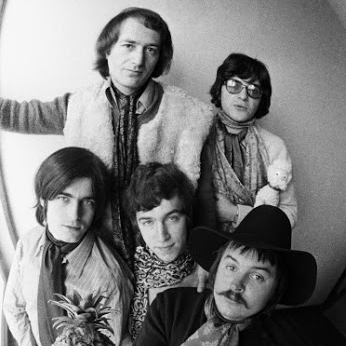
 View Artist