Song Meaning
The lyrics immediately paint a picture of profound uncertainty, depicting a world as a chaotic "intersection without traffic lights." Here, standing still breeds unease, as everyone "yearns for where to turn correctly." This sets a tense, urgent tone, highlighting the constant pressure to move and adapt.
The core tension lies between the desire for clear direction and the reality of a world offering none. The narrator observes a pervasive "uncertainty when you stand still," yet simultaneously insists that "everything changes there, you have to pivot." This creates a paradox: inaction is paralyzing, but action is blind, driven by an unyielding need to adapt or face "zero chances."
The repeated metaphor of the "intersection without traffic lights" is particularly potent. It strips away any illusion of order or guidance, presenting life as a series of un-signposted, high-stakes decisions. This imagery is reinforced by the blunt, almost transactional advice: "You can take what you want when you have something to give," suggesting that success is less about merit and more about strategic exchange and maintaining "the right acquaintances."
What makes these lyrics hit hard is their unflinching realism and cynical edge. They don't offer comfort but rather a stark assessment of survival in a relentless environment. The final line, "Just watching time is necessary, and that's precisely sad," adds a poignant layer of resignation, acknowledging the weariness inherent in this constant, unguided struggle. It captures the quiet despair beneath the urgent drive to keep moving.
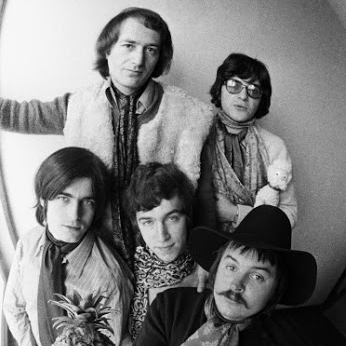
 View Artist