Song Meaning
The lyrics lay out a stark list of prohibitions: do not teach robots human traits. It's a pragmatic, almost cynical, warning against imbuing artificial intelligence with our complex, often messy, nature. The speaker clearly fears the consequences of creating beings too much "like us." This isn't just about avoiding inefficiency; it's about preserving a fragile human identity.
The central tension arises from the speaker's simultaneous critique of humanity and a deep-seated desire to protect it. The lyrics list both mundane and profound human characteristics, from the bureaucratic act of "filling out applications" to the emotional depth of "expressing joy." This suggests that even our most basic or beautiful traits might prove detrimental or dangerous when replicated in artificial hands.
The repeated refrain, "Ať nejsou jako my / Ať mají zákony / Ať nejsou víc než my" (Let them not be like us / Let them have laws / Let them not be more than us), acts as a powerful, almost desperate, plea. This isn't solely about the pragmatic concern that teaching robots such things is a "waste of time." Instead, it reveals a deeper anxiety about setting boundaries for creation, fearing both human replication and the potential for robotic superiority.
Ultimately, these lyrics are effective because they force a reflection on what truly defines humanity. By framing our traits—including our capacity for "useful lying" or playing with firearms, alongside admiring beauty—as things to be *avoided* in robots, the song implicitly critiques our own flaws. Yet, it simultaneously expresses a profound, if conflicted, desire for self-preservation. The abrupt ending, "Ať nejsou...", leaves the listener with an unsettling sense of an unfinished, ongoing struggle to define our place alongside our creations.
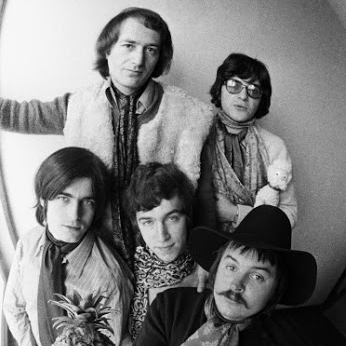
 View Artist