Song Meaning
The narrator describes a peace that is anything but peaceful, a quiet exterior masking internal turmoil. This internal storm is something only they and "wanderers" seem to understand, suggesting a shared, perhaps misunderstood, experience of inner chaos. The opening lines immediately establish this core paradox: "My peace is only apparent / Meanwhile, I keep roaring inside myself." This sets up a profound disconnect between the presented self and the felt reality.
The lyrics paint a picture of escapism, with the narrator lying with their back to the TV, watching dramas unfold. This act seems to be a way to avoid confronting their own internal struggles, a form of passive engagement with conflict. The line "You don't know my moods, they're only for men / At least that's how I run away from you" hints at a desire to shield someone from their inner turbulence, or perhaps a self-imposed isolation to protect a perceived vulnerability. The narrator appears to be actively seeking refuge from their own mind.
The concept of "peace" is further deconstructed. It's not impenetrable, and the people close to the narrator are unaware of the true depth of their internal state. The narrator intentionally carries this peace, using it as a shield, like earplugs, to block out external noise or perhaps internal voices. This deliberate construction of a calm facade highlights a conscious effort to manage or conceal their inner world, creating a barrier against genuine connection or exposure.
Ultimately, the narrator contrasts their internal struggle with someone else's mundane concerns. While the other person is focused on everyday matters, the narrator is metaphorically descending a mountain, a monumental internal effort. They see themselves as a "past zero" to this other person, implying a feeling of insignificance or invisibility. The plea to "grant me my peace and let me dream" is a desperate request for understanding and space, a desire to be left alone with their complex inner life, even if that life is a storm.
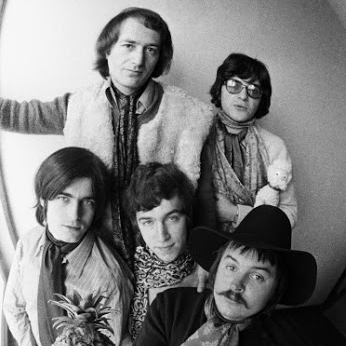
 View Artist