Song Meaning
This track paints a stark portrait of a once-powerful figure now reduced to lamenting his diminished circumstances. The opening lines establish a man who commanded fear and respect, someone who could "break a neck" if crossed. He was a force, seemingly unstoppable, operating without regard for others. The imagery of him now being "in his negligee" and "whining about a small pension" creates a sharp, almost comical contrast with his former might. This dramatic fall from grace is the immediate emotional hook.
The central tension lies in the stark juxtaposition of past dominance and present helplessness. The narrator observes this fallen man, who once "screamed a lot of stupidities" and got his way, now reduced to complaining about his meager retirement. The lyrics suggest a sense of cosmic irony, where the man who seemed to control everything is now utterly controlled by his own decline. The repeated phrase "Každej chvilku tahá pilku" (Everyone's sawing away for a moment) becomes a refrain for this inescapable, grinding reality of everyday struggle, perhaps even for the fallen man himself.
The most striking aspect of the writing is how it captures the essence of aggressive, unthinking power. The description of men like the subject, who "instead of arguments have only a megaphone," and who "turn red at every word not in their vocabulary," reveals a character defined by bluster and insecurity. They shove "every honest confession into a drawer," indicating a refusal to engage with anything that challenges their fragile ego. This psychological portrait is key to understanding why his current state feels so deserved, or at least, so fitting.
Ultimately, the effectiveness of these lyrics comes from their unflinching portrayal of consequence and the relentless grind of existence. The narrator's own weary observation of feeling like "just different numbers in the calendar" while walking to the office mirrors the fallen man's plight, suggesting a shared, albeit less dramatic, struggle. The final, repeated image of "him sitting there" underscores a sense of stagnant despair, a powerful visual that lingers long after the music stops.
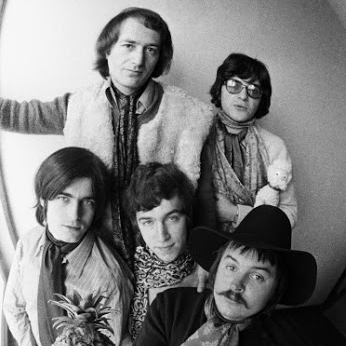
 View Artist