Song Meaning
The lyrics paint a grim, nocturnal scene, opening with a midnight hour "cursed by the devil" and a palpable sense of dread. A pervasive "evil" emanates from the damp cobblestones, mirroring a deep-seated, unfulfilled "desire" in the soul. This desire, cold and from a "chilled palm," waits in vain for salvation, establishing an immediate tone of despair and stagnation. The imagery of "steam rising from black sewers" and the "smell of forgotten pubs" further grounds the atmosphere in decay and a lingering, bitter residue of past indulgence.
The central tension emerges from the stark repetition of "Jen ty a tma" – "Only you and darkness." This refrain strips away all external context, leaving only the individual and the overwhelming void. The subsequent lines, "What you wanted and what you wanted now doesn't matter anymore," suggest a profound resignation, a point where past aspirations have become irrelevant. The night itself becomes a passive, indifferent entity, and the narrator is warned that "everything you forgot will surface in the morning," culminating in a chilling "prepare for your own assassination."
The most striking craft element is the relentless, almost hypnotic repetition of the core phrase, amplified by the vocalizations. This creates a suffocating, inescapable loop, mirroring the feeling of being trapped within one's own despair. The contrast between the initial, more descriptive verses and the stark, bare-bones chorus emphasizes the isolation and the ultimate confrontation with self. The final warning, "prepare for your own assassination," is a powerful, internal threat, suggesting a self-destructive act born from the inescapable darkness and forgotten regrets.
This lyrical construction is effective because it doesn't offer easy answers or external explanations. Instead, it immerses the listener in a raw, visceral experience of existential dread and self-confrontation. The stark imagery and the relentless repetition of "Only you and darkness" create a powerful sense of isolation, making the final, internal threat of self-destruction feel both inevitable and deeply unsettling. The writing forces a reckoning with one's own inner void, amplified by the oppressive atmosphere.
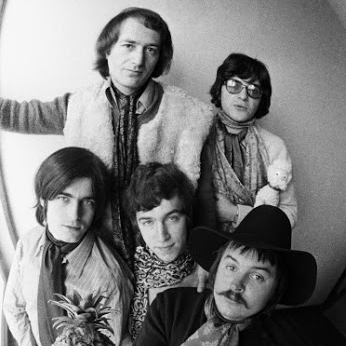
 View Artist