Song Meaning
The lyrics paint a stark portrait of "Bláznivej Kiki," a figure ostracized by his community. He's labeled the "village madman," a man with "mute lips" and "strange habits," whose only constant is his guitar. Children follow him, but the adults threaten him, highlighting a deep societal disconnect. His existence is one of hardship, sleeping in trash heaps and facing aggression, yet he continues his solitary path.
The central tension lies in the contrast between Kiki's perceived madness and his inner world. While the townspeople mock him, the narrator suggests Kiki harbors a profound "love like I do." This intimate revelation shifts the perspective, implying Kiki's outward strangeness masks a depth of feeling unrecognized by others. His joy in "morning dew" and "his freedom as a madman" points to a simple, perhaps even contented, inner life that defies the community's judgment.
The most striking craft element is the relentless repetition of Kiki's action: "He walked and played the guitar." This phrase acts as an anchor, grounding Kiki's identity in his music and his movement, regardless of the external circumstances. It underscores his unwavering dedication to his art and his path, even as his life is marked by suffering and rejection. The lyrics also use sharp, almost cruel imagery to depict his treatment, like the children who "laughed" and the adults who "threatened him with fists."
Ultimately, the lyrics resonate because they expose the tragedy of misunderstanding and societal cruelty. Kiki's fate, falling under a truck, is presented with a chilling finality, a stark consequence of being an outsider. His story is a somber reflection on how those who don't conform are often dehumanized, their inner lives ignored until it's too late.
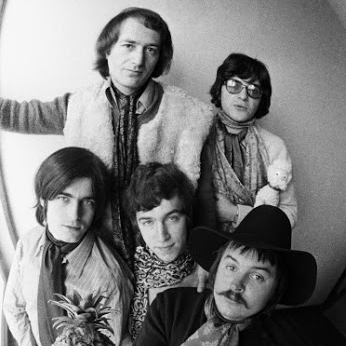
 View Artist