Song Meaning
The lyrics open with a compelling image: someone dancing, first "pour toi" (for yourself), then immediately "pour moi" (for me). This immediate shift sets up a deeply personal connection, suggesting the narrator is both observing and internalizing the dancer's movements. It's a powerful invitation into a shared emotional space.
The narrator reveals they've been entrusted with the dancer's story, holding it close, even without knowing them. This backstory is clearly difficult, prompting the narrator to rail against "cette pute qu'est le destin" – a raw, visceral condemnation of fate's cruelty. Despite the harshness of the past, the narrator chooses to focus on enduring qualities: "tes couleurs," "ta chaleur," and "Ta bravoure."
The core refrain, "Tu danses, tu danses pour toi / Tu danses, tu danses, tu danses pour moi," is a masterclass in shifting perspective. It captures the complex dynamic of witnessing someone's resilience. While the dance is inherently for the dancer's own spirit, the narrator feels its profound impact, making it a shared experience. The verses then hint at the dancer's past, with phrases like "De violents coups de pieds" and "De grands rêves enfouis," painting a picture of profound struggle without needing explicit details.
Ultimately, the lyrics celebrate an enduring spirit. The shift from the narrator's "Je ne garderai" to an implied "Ils ne garderont" suggests that others, too, will see past the pain to the dancer's inherent vibrancy. The tender address, "De maman, tu es si belle quand," adds a layer of intimate admiration, emphasizing that despite everything, the act of dancing embodies a beautiful, unyielding strength that transcends a difficult past.
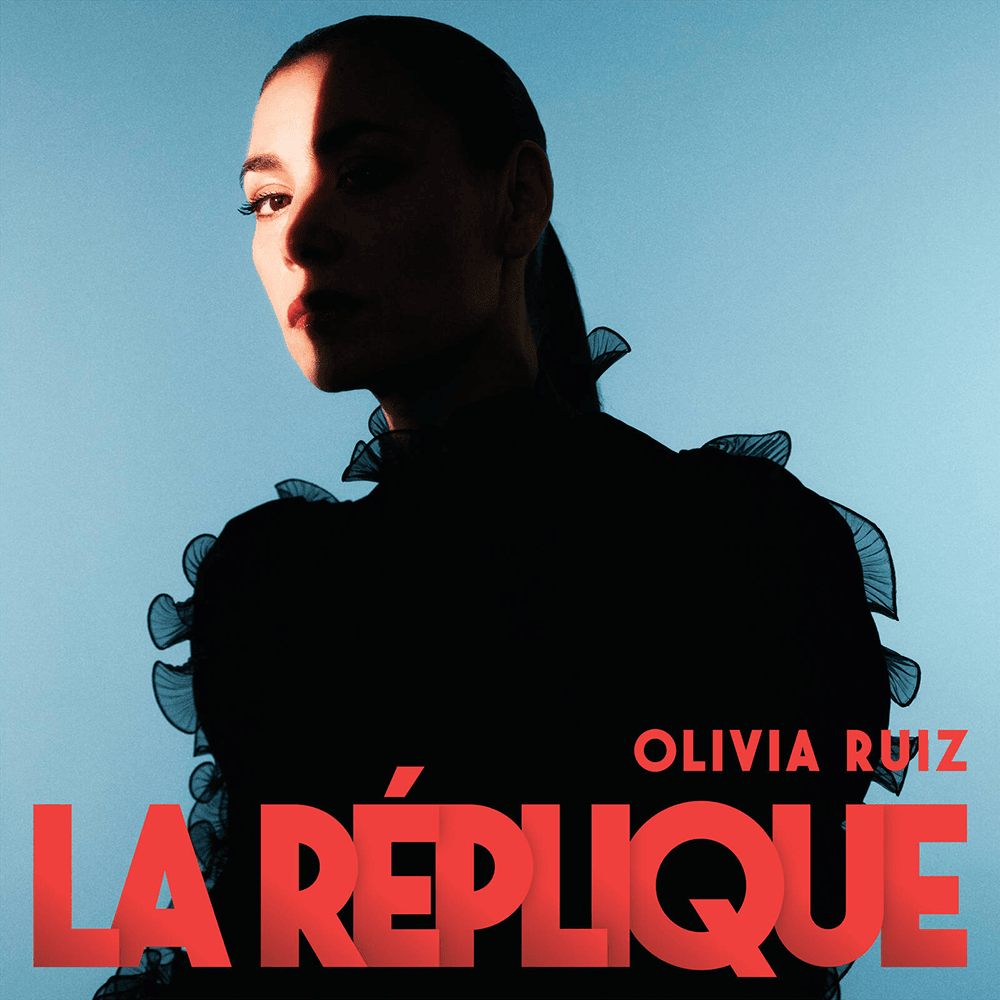
 View Artist