Song Meaning
The lyrics open with a stark, almost relentless self-inventory. It's a catalog of "Ce que je suis," "Ce que j'étais," and "Ce que je fuis," painting a picture of deep introspection. This immediate dive into a personal audit sets a profoundly reflective and somewhat melancholic tone. The speaker seems to be taking stock of their entire existence.
This internal reflection quickly connects to an external shift in the recurring chorus. "La lumière qui a changé" signals a fundamental alteration in perception or hope. Crucially, this change is tied to a relational void: "Ton regard qui a manqué." The absence of another's gaze appears to have directly dimmed the speaker's confidence, suggesting a profound reliance on that external validation or connection.
The most striking image arrives with "Je joue du violon sans archet." This isn't just a clever line; it's a brilliant, concise metaphor for a profound inability to create, express, or even make sound. The instrument, representing potential or a means of expression, is present, but the essential tool for making music is gone. It speaks volumes about a silent struggle, a muted existence where the melody of life cannot be played, leaving a sense of unfulfilled purpose.
The power of these lyrics lies in their cumulative effect, building from a meticulous self-examination to a poignant revelation of external impact. The repeated chorus, especially the "violon sans archet," leaves a lasting impression of a beautiful, yet unplayed, melody – a stark echo of what could be, but isn't. The subtle inclusion of "Et réciproquement" in the communication breakdown between what is said and what is heard adds a layer of shared burden, hinting that the silence might be mutual, making the emotional landscape even more complex and quietly devastating.
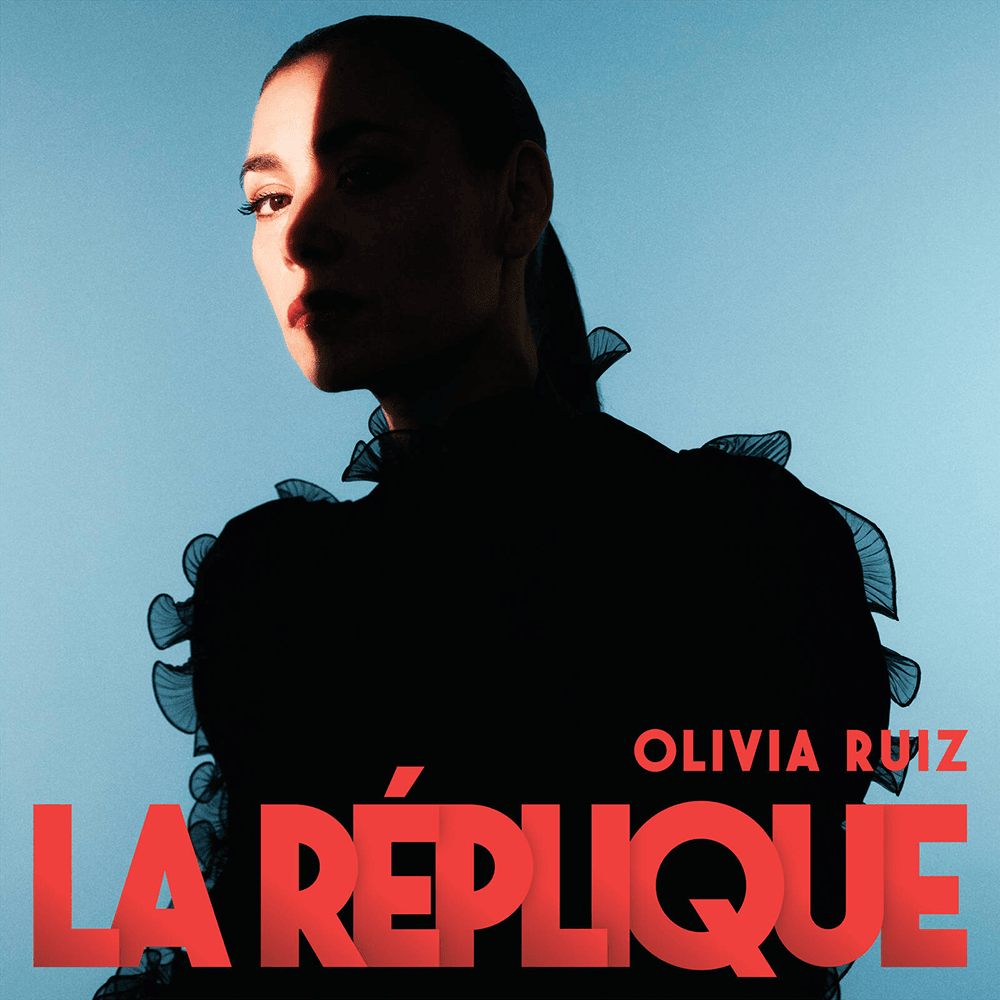
 View Artist