Song Meaning
Olavi Uusivirta's "Oodi ilolle" isn't just an "Ode to Joy"; it's a bittersweet acknowledgement of life's fleeting beauty and the search for connection within it. The opening lines, "Ilonen ja haikee / On vaikee olla pyhimys" (Happy and wistful / It's hard to be a saint), immediately establish this duality. The song navigates the tension between joy and melancholy, recognizing that true happiness often exists alongside a sense of longing or impermanence. This isn't naive optimism, but a mature understanding of the human condition. The reference to a city being "vihree" (green) and alive evokes a sense of urban vibrancy, a backdrop against which personal connections are forged. The search for "joku samanlainen" (someone similar) highlights the universal desire for belonging.
The recurring line, "Kaikki hetken tässä, kaikki valuu" (Everything here is temporary, everything flows), serves as a poignant reminder of life's ephemeral nature. This acknowledgement of transience isn't depressing; instead, it underscores the importance of cherishing present moments and connections. The rhetorical question, "Onko vielä pitkä matka Moskovaan?" (Is it still a long way to Moscow?), functions as a metaphor for life's journey and the pursuit of distant goals, perhaps unattainable ones. It speaks to the human tendency to look ahead, even while immersed in the present. The imagery of "surumielisilmät" (sad eyes) being drawn into a group and finding laughter in Alli Trygg's park illustrates the transformative power of human interaction and shared experiences.
The lines "Uudenvuodenlupauksista jäljellä on / Kauniit ajatukset, maksan huomenna" (Of New Year's resolutions, all that's left / Are beautiful thoughts, I'll pay tomorrow) hint at broken promises and deferred responsibilities, reflecting the gap between intention and action. Yet, even in this recognition of human fallibility, there's a sense of acceptance and perhaps even humor. The repetition of "Olet uusi ihminen / Nuori sielu" (You are a new person / Young soul) offers a message of hope and renewal, suggesting that each moment presents an opportunity for transformation. Ultimately, "Oodi ilolle" is a celebration of finding one's place within the larger tapestry of existence, acknowledging both the joy and the sorrow that make life meaningful. The line "Onneni on olla pieni osa kokonaisuutta" (My happiness is to be a small part of the whole) encapsulates this sentiment, emphasizing the beauty of interconnectedness and the simple act of contributing to something larger than oneself. The "ode to joy" and "ode to freedom" declared at the song's close aren't proclamations of guaranteed happiness but a conscious choice to embrace life's complexities with open arms.
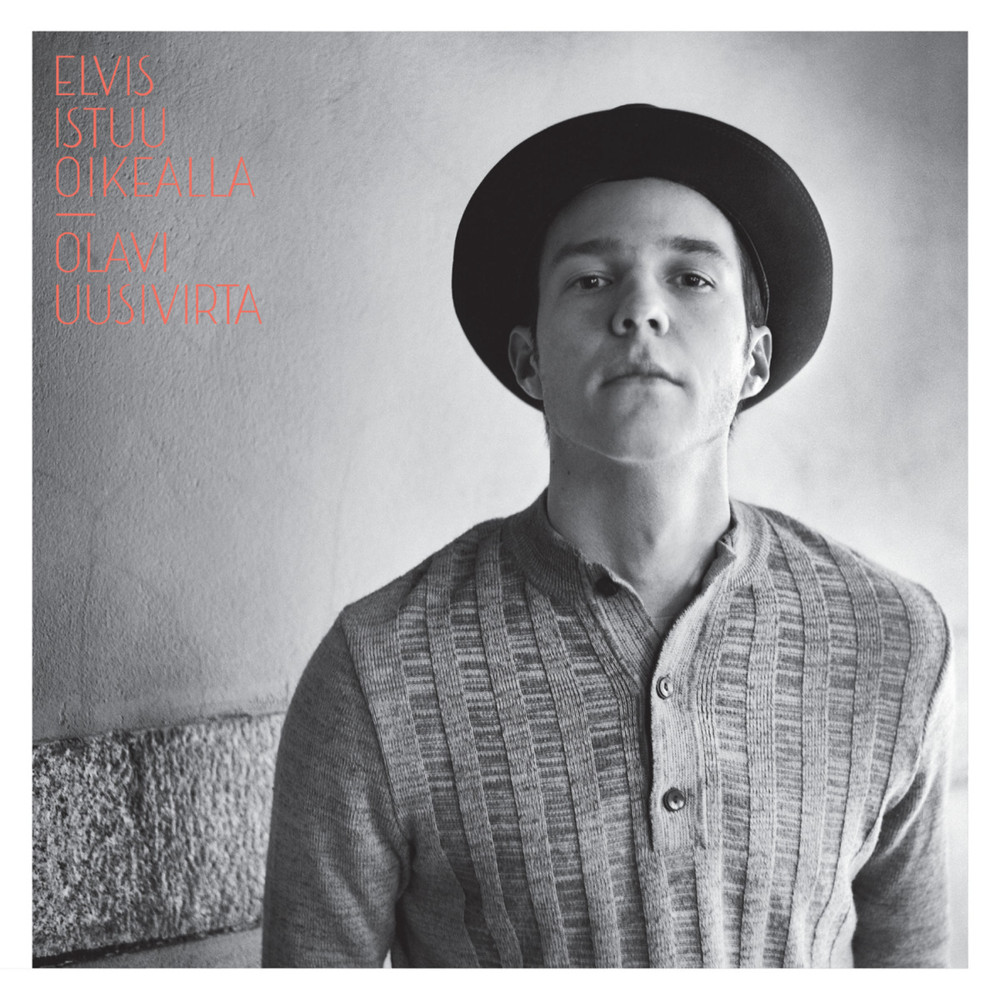
 View Artist