Song Meaning
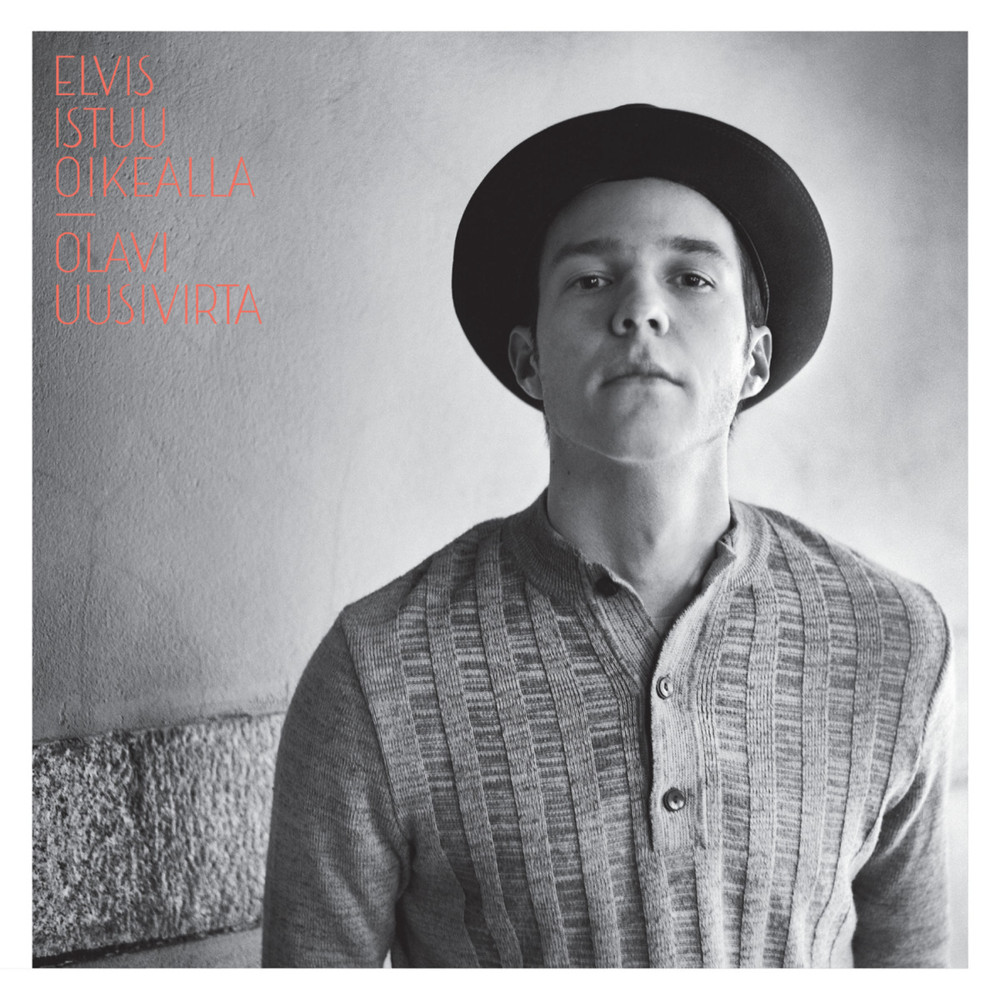
Olavi Uusivirta's "Elvis istuu oikealla" (Elvis sits on the right) is a fascinatingly absurd, yet deeply human, meditation on societal constraints and the yearning for escape. The opening lines, "Pakko päästä pois / Mut luotiin kulkemaan" (I have to get away / But I was made to walk), immediately establish this central tension. There's a sense of being trapped by fate or circumstance, yet simultaneously driven by an innate desire for liberation, even if that liberation manifests as a trip to Tallinn. The mentions of Tallinn throughout the song could be interpreted as a metaphor for escapism and the desire to seek solace elsewhere.
The recurring image of "Täysiverinen sunnuntai / Taivaallisen rauhan aukiolla" (A thoroughbred Sunday / In the square of heavenly peace) offers a paradoxical contrast. Sunday, traditionally a day of rest and peace, is described as "thoroughbred," suggesting a restless energy simmering beneath the surface of tranquility. The presence of Elvis, sitting on the right, is bizarre and intriguing. Elvis, a symbol of rebellious rock and roll, juxtaposed with the mundane setting, injects a surreal element, implying that even in the most ordinary circumstances, there's potential for transformation and unexpected encounters. The question "Missä viivyt, Toivo?" (Where are you, Hope?) and the line "Usko vei jo pullot kauppaan" (Faith already took the bottles to the store) add layers of existential longing and perhaps a touch of dark humor.
The seemingly random details – the girl with the gappy teeth, the large shoe size – contribute to the song's overall sense of quirky realism. These elements ground the more abstract themes in concrete imagery, making the yearning for escape feel relatable and immediate. The threat of prison or army service in response to the other's actions speaks to codependency, or a shared desire to resist societal expectations, even if that resistance is self-destructive. Ultimately, "Elvis istuu oikealla" isn't about literal events, but rather about the internal struggle between conformity and the pursuit of individual freedom, all wrapped in Uusivirta's signature blend of poetic lyricism and offbeat sensibilities. The song's meaning lies in its ability to capture the human condition’s inherent contradictions.
 View Artist