Song Meaning
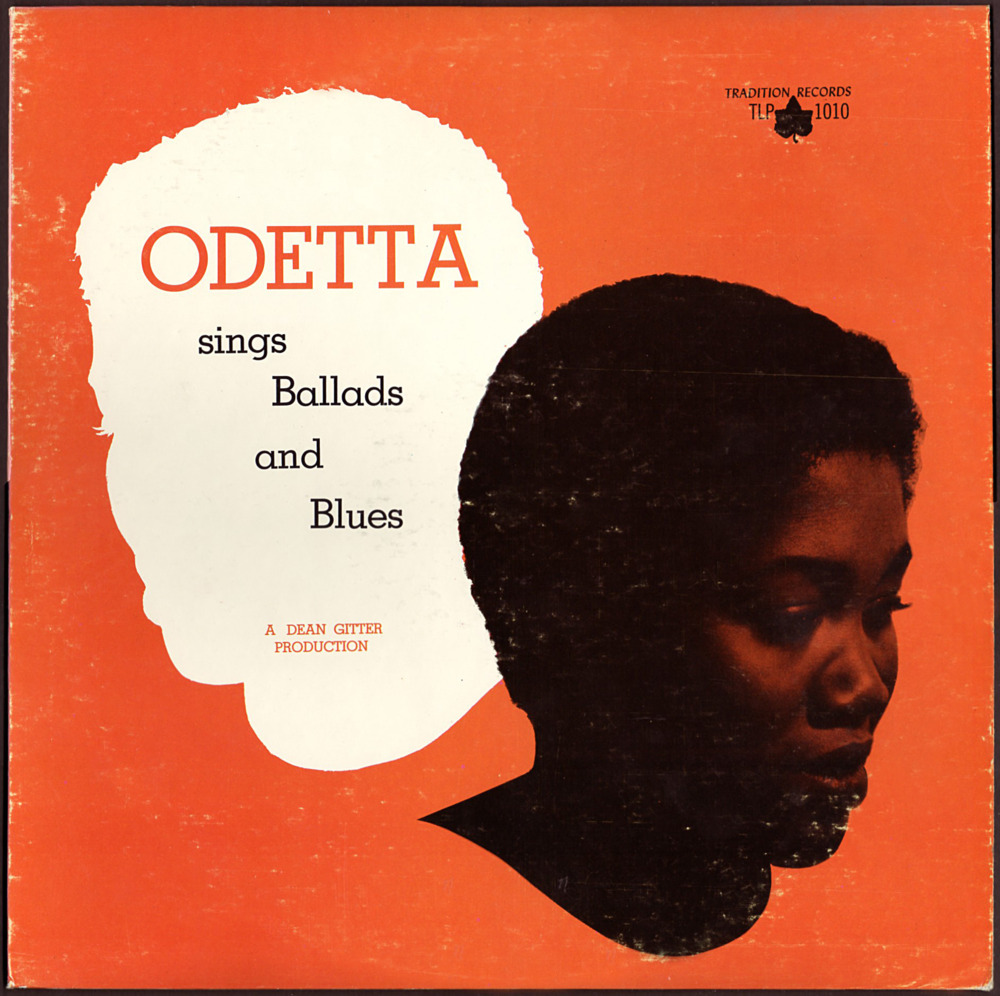
Odetta's rendition of "Santy Anno" isn't just a sea shanty; it's a concentrated dose of the American Dream, distilled through the grit and toil of the California Gold Rush. The cyclical lyrics, a call-and-response born from the rhythmic demands of maritime labor, become a metaphor for the relentless pursuit of wealth and a better life. The repetition of "Heave away, Santy Anno" and "Way out to Californio" mirrors the arduous, repetitive tasks that defined the journey – both the physical voyage around Cape Horn and the metaphorical journey toward prosperity. The song's power lies in its ability to evoke the almost hypnotic, shared effort required to chase a collective ambition. It acknowledges the back-breaking work masked by the shimmering promise of gold.
The phrase "Plenty of gold, so I've been told" carries a subtle, almost cynical undertone. It's a rumor, a whispered promise, not a guaranteed reality. This hints at the potential for disillusionment and the gap between expectation and experience that many faced during the Gold Rush. The reference to "the days of '49" anchors the song in a specific historical context, evoking a sense of nostalgia for a time when opportunity, however risky, seemed boundless. The song, in essence, captures the spirit of relentless optimism and the willingness to endure hardship in the face of a compelling, albeit uncertain, reward.
Ultimately, Odetta's interpretation of "Santy Anno" transcends its origins as a work song. It transforms into a commentary on the enduring human desire for advancement, the allure of the unknown, and the collective will required to chase seemingly impossible dreams. The song meaning resides not just in the lyrics themselves, but in the historical weight they carry and the enduring resonance of their themes. It’s a potent reminder that even the most glittering prizes often demand a heavy price.
 View Artist