Song Meaning
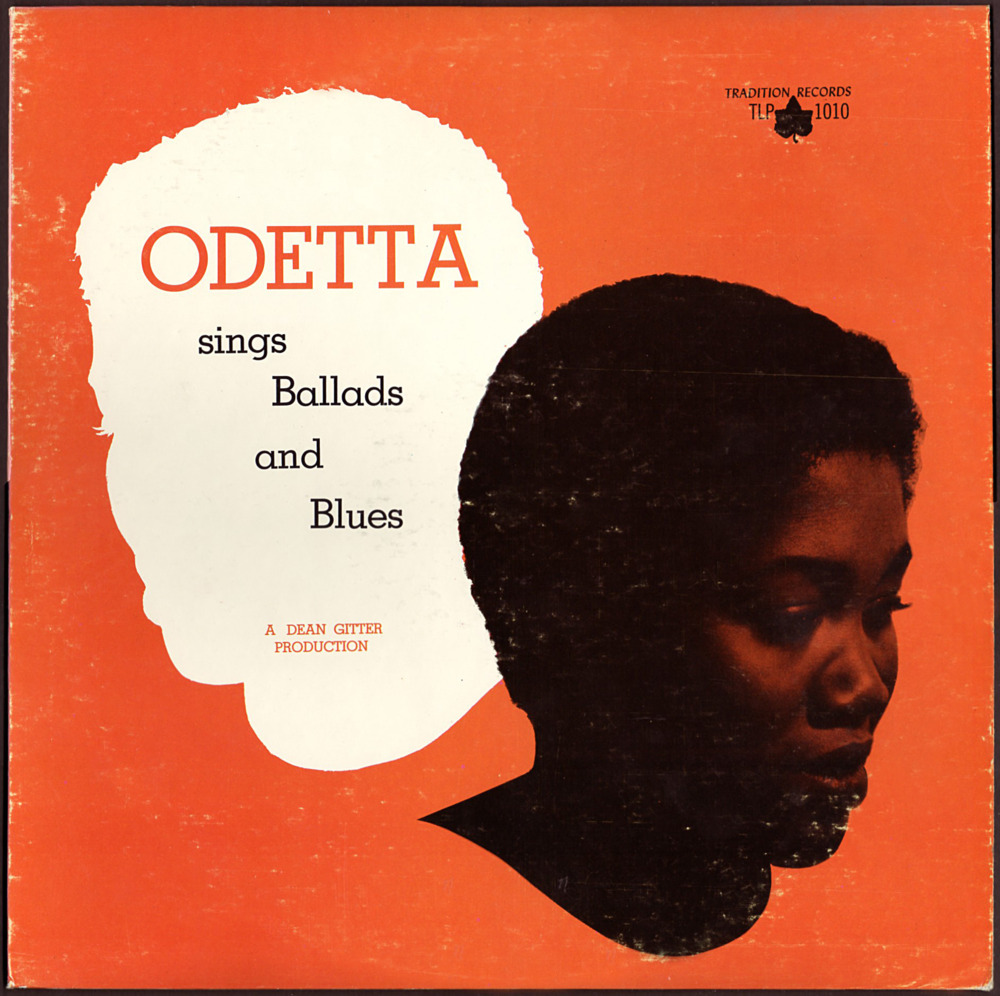
Odetta's rendition of "Hound Dog" isn't the rock-and-roll sneer of Elvis, but a primal scream against abandonment, set against a parched landscape of personal and spiritual drought. The repeated plea for the "hound dog" to bay at the moon serves as a visceral symbol. It is a collective howl, a desperate attempt to puncture the silence of a seemingly indifferent universe. The hound, traditionally a symbol of loyalty and companionship, is here reduced to its most basic function: to voice a lament that humanity can no longer articulate. It's a raw, almost unbearable expression of existential loneliness.
The lyrics paint a stark picture of deprivation. "God did forsake us," Odetta sings, setting the stage for a world where even the natural order is broken. The well is dry, chickens refuse to lay, and the fish have vanished – a cascading series of failures that speak to a deeper, systemic collapse. This isn't just about material poverty; it's about a loss of connection to the divine, a severance from the life-giving forces of nature. The lines about weevily bread and spoiled sorghum drive home the point: sustenance, both physical and spiritual, has turned rotten.
What elevates Odetta's "Hound Dog" beyond a simple blues lament is the psychological depth she brings to the performance. The litany of woes – rotten potatoes, a pain-ridden body, kinfolk who've consumed all resources – suggests a soul stripped bare. The hound's baying becomes a form of catharsis, a channeling of grief and frustration into a sound that echoes the emptiness felt within. It's a blues song, yes, but also a profound meditation on faith, resilience, and the enduring power of the human spirit to find a voice, even in the face of utter desolation. The song meaning resonates because it taps into a primal fear of abandonment and scarcity, universal anxieties that transcend time and culture.
 View Artist