Song Meaning
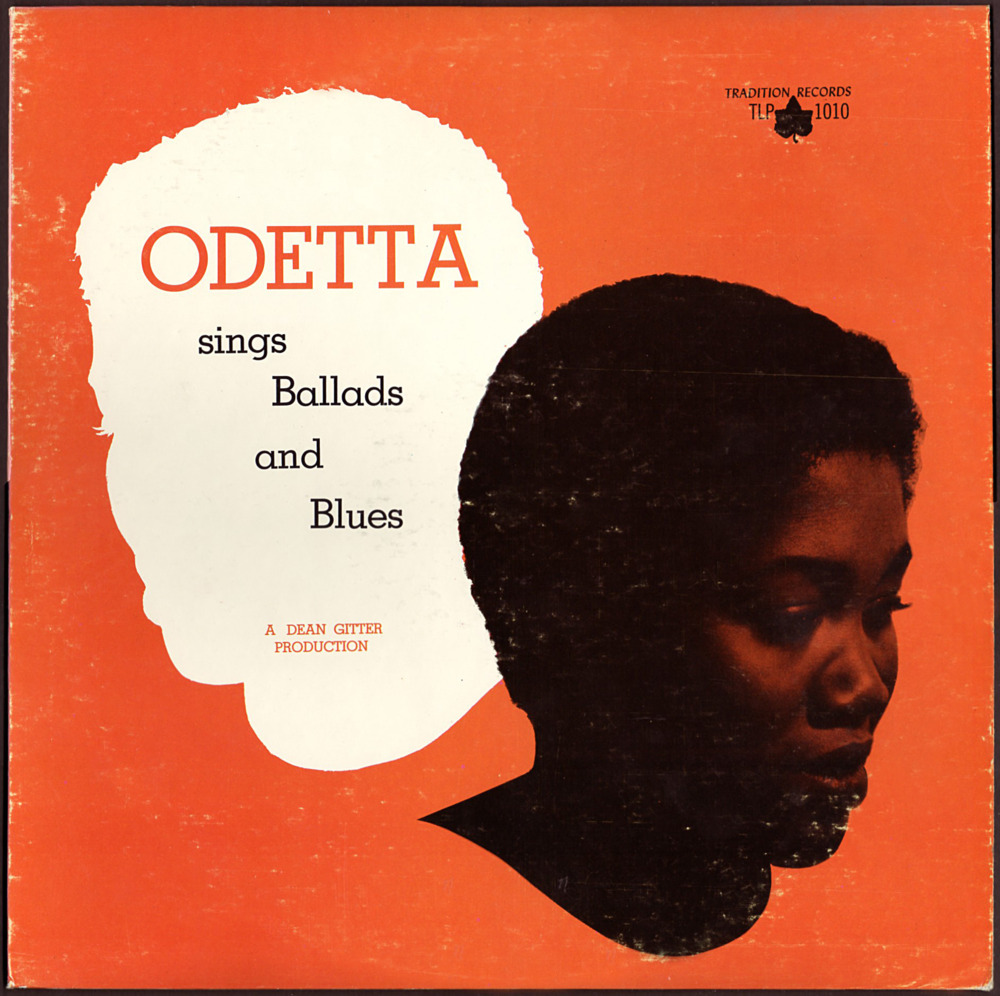
Odetta's rendition of "Glory, Glory" isn't just a gospel standard; it's a masterclass in minimalist emotional architecture. Stripped bare, the lyrics speak of release – the shedding of a 'burden.' But what is that burden? The genius lies in its ambiguity. It could be the weight of societal oppression, a personal grief, or the existential dread that haunts us all. The repeated phrase, 'When I laid my burden down,' acts as both a statement of fact and an aspirational mantra, a yearning for liberation. This isn't merely religious ecstasy; it's a primal scream for freedom disguised as a hymn.
The introduction of 'my dear old mother' adds a layer of Freudian complexity. In times of profound distress, we often regress, seeking the primal comfort and unconditional love associated with maternal figures. It's a vulnerability laid bare, a recognition that even in the face of spiritual transcendence, the human need for connection and solace remains paramount. The mother figure represents safety, a return to innocence before the burdens of the world became too heavy to bear. This juxtaposition of spiritual yearning and earthly comfort is what elevates Odetta's interpretation beyond a simple religious expression.
Ultimately, the song's power resides in its cyclical structure and the hypnotic repetition of its core phrases. It mirrors the cyclical nature of grief, healing, and the ongoing struggle for liberation. The 'Glory, Glory, Hallelujah' refrain, typically associated with triumphant praise, becomes something more nuanced in Odetta's hands. It's a defiant affirmation, a declaration of hope whispered in the face of despair. The song meaning, therefore, transcends simple religious interpretation, becoming a universal anthem for anyone seeking to unburden themselves and find solace in a world that often feels unbearable.
 View Artist