Song Meaning
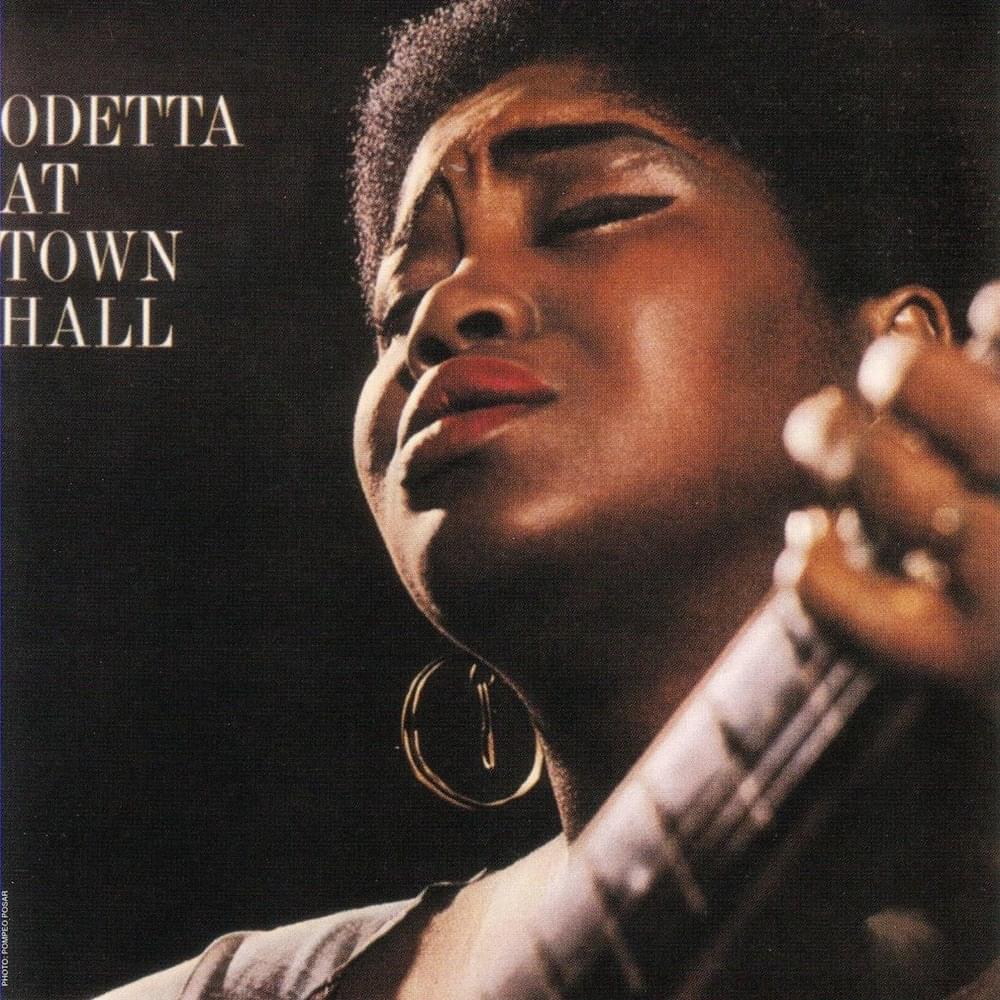
Odetta's rendition of "Devilish Mary" isn't just a folksy tune; it's a wry observation on the pitfalls of hasty romance and the age-old battle of the sexes. The song's simple narrative belies a deeper exploration of power dynamics within a relationship. The protagonist, initially eager to 'court a fair young lady,' quickly finds himself outmaneuvered by the titular Mary, whose 'devilish' nature manifests in her headstrong pursuit of marriage and subsequent domestic dominance. The seemingly innocent 'fa la ling come' chorus punctuates the verses with a deceptive lightness, creating a stark contrast with the escalating chaos of the marriage. The chorus almost mocks the protagonist's predicament. The song's structure, with its repetitive chorus and straightforward storytelling, amplifies the sense of inevitability, as if the protagonist is trapped in a cycle of his own making. The 'Devilish Mary' lyrics paint a vivid picture of a woman who defies traditional expectations of meekness, challenging the protagonist's authority and asserting her independence within the confines of their marriage. In essence, this is an early American cautionary tale about the importance of understanding one's partner and the potential consequences of rushing into commitment. Odetta's interpretation brings out both the humor and the underlying tension of this classic folk song.
The metaphor of 'wearing the britches' is central to understanding the song's meaning. It represents Mary's usurpation of traditional male authority within the household. She washes his clothes in 'old soap suds,' fills his bathtub with switches, and generally makes it clear that she intends to be the dominant force in the relationship. This isn't just about domestic chores; it's about a fundamental power struggle. The protagonist's lament is not simply about being henpecked, but about the disruption of a deeply ingrained social order. His solution – to marry a woman 'about two feet high' who 'can't wear my britches' – reveals a desire to reassert control and avoid a repeat of his previous experience. It's a humorous, albeit somewhat misogynistic, conclusion that underscores the anxieties surrounding gender roles and power dynamics that permeate the song.
Ultimately, the song's enduring appeal lies in its relatability. Whether interpreted as a lighthearted anecdote or a more serious commentary on gender relations, "Devilish Mary" speaks to the universal human experience of navigating the complexities of love, marriage, and personal autonomy. Odetta's performance adds layers of nuance, highlighting both the comedic and the more poignant aspects of the story. The song's meaning is not simply about a 'devilish' woman; it's about the challenges of finding balance and equality in a relationship, and the potential consequences of failing to do so. The final verse, with its somewhat absurd solution, serves as a reminder that sometimes, the most straightforward answers are not always the most sensible.
 View Artist