Song Meaning
This song opens with a stark, almost transactional plea: "If one of us is fated / To leave the other / Be you the one to leave / So I won't leave." The narrator is already contemplating separation, but frames it as a way to control the narrative, to avoid being the one who initiates the departure. It’s a complex emotional maneuver, suggesting a deep fear of abandonment masked by a desire for agency.
The core tension lies in the narrator's paradoxical relationship with fear and loneliness. He claims not to fear the dark, but immediately qualifies it: "Only one who awaits happiness / Fears being alone." This reveals his bravado as a defense mechanism, a way to shield himself from the vulnerability of anticipating joy and the subsequent terror of its loss. The desire for connection is palpable, yet it fuels his anxiety about isolation.
The lyrics employ striking imagery of avoidance and denial. "Don't turn on the light / And I won't look in the mirror." This suggests a mutual agreement to ignore uncomfortable truths, to exist in a self-imposed twilight where reality is blurred. The line "The night is not black / And you don't belong to me" is particularly potent, creating a disorienting atmosphere where even fundamental perceptions are inverted, and possession is explicitly disavowed, further complicating the plea for closeness.
What makes these lyrics resonate is their unflinching portrayal of a fragile ego attempting to navigate the precariousness of love. The narrator’s desperate attempt to orchestrate his own potential heartbreak, the admission that his fear of loneliness stems from hoping for happiness, and the shared ritual of avoidance all point to a profound, albeit self-sabotaging, yearning for connection. The writing crafts a sense of intimate desperation, making the listener privy to a deeply personal, internal struggle.
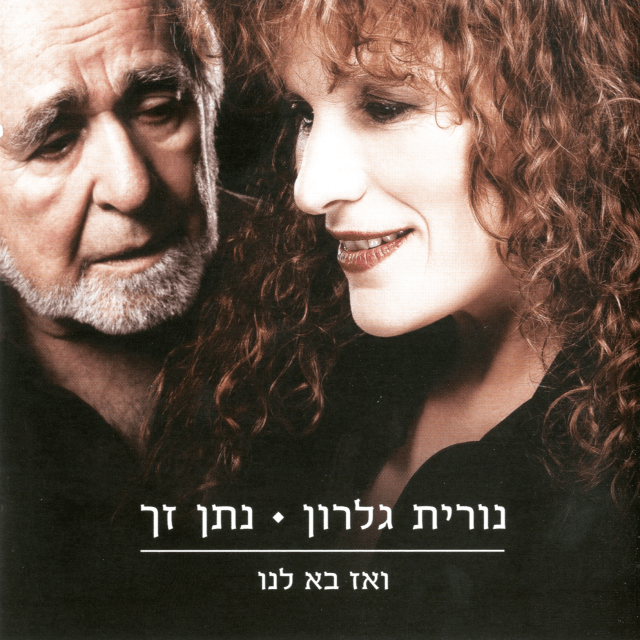
 View Artist