Song Meaning
The lyrics paint a picture of a relationship that feels both deeply familiar and strangely ephemeral. The opening lines, "אתה ואני / בשימוש יומיומי" (You and I / In daily use), immediately establish a sense of routine, but the following phrase, "כמו אנשים בשירות האהבה" (Like people in the service of love), adds a layer of almost transactional or devoted purpose to this everyday existence. It suggests a love that is a constant, perhaps even a duty, rather than a spontaneous flame.
The central tension lies in the contrast between the enduring presence of the relationship and the narrator's perception of its fleeting nature. There's a sense of growth "מתוך שכחה" (out of forgetting), implying that the relationship persists despite, or perhaps because of, a lack of perfect recall or conscious effort. This is further emphasized by the imagery of a blind person "לא בטוחה, הופכת בחשכה" (unsure, fumbling in the dark), searching for familiar objects like a "כסא, עציץ מאפרה" (chair, potted plant, ashtray), which grounds the abstract feeling of uncertainty in tangible, mundane details.
The most striking aspect is the repeated use of "כאילו לא היה" (as if it wasn't). The narrator seems to be grappling with the profound wonder of the shared experience, questioning its reality or its permanence. The lines "כאילו לא היה זה נפלא / כאילו לא היתה זו שעה / ויותר משעה לא תהיה" (As if it wasn't wonderful / As if it wasn't an hour / And more than an hour there won't be) highlight a bittersweet acknowledgment that even the most cherished moments are finite. This creates a poignant feeling of cherishing something precious precisely because its end is anticipated.
Ultimately, these lyrics resonate because they capture the complex emotional landscape of long-term love, where the extraordinary can become ordinary, and the simple fact of shared time feels like a "נס חגיגי" (festive miracle). The writing effectively uses everyday imagery and a tone of quiet contemplation to convey a deep appreciation for a love that is both a constant habit and a fragile, beautiful event, and perhaps temporary, phenomenon.
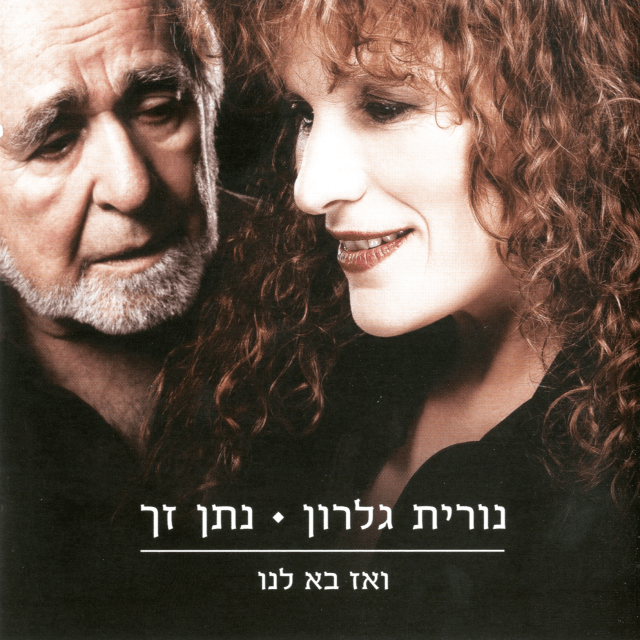
 View Artist