Song Meaning
The lyrics paint a picture of someone adrift, questioning the present moment and the passage of time. There's a sense of detachment from conventional markers of reality, like the specific day or even the ongoing carnival, suggesting a mind preoccupied or perhaps lost. The repeated plea, "Também não me pergunte muito, não!" (Don't ask me too much either!), underscores this reluctance or inability to engage with direct questioning, reinforcing a feeling of being out of sync.
The core tension seems to lie between a desire for grounding and an inability to grasp it. While the narrator acknowledges the sun as the "astro rei" (king star) and its warmth, this observation feels distant, juxtaposed against "dados da roleta" (roulette data) and "metas" (goals) that are either ignored or fleetingly appear. This creates a conflict between the constant, natural world and the abstract, often stressful, constructs of modern life.
A striking element is the contrast between the cosmic certainty of the sun and the ephemeral nature of human endeavors. The sun is presented as a constant, a source of heat and light, while the "metas fora por fora" (goals outside, outside) and the "roulette data" represent a chaotic, unpredictable, and perhaps irrelevant external world. The image of "Cabelos longos, raio e cor" (Long hair, lightning, and color) offers a brief, vibrant flash, but it too feels like a fleeting sensory experience rather than a stable anchor.
This lyrical approach is effective because it captures a specific kind of existential disorientation. By focusing on sensory details and simple acknowledgments of natural phenomena against the backdrop of abstract pressures, the words evoke a feeling of being overwhelmed yet passively observing. The repeated refrain acts as a shield, protecting a vulnerable core that seems unable to articulate its own state, making the listener empathize with this quiet struggle against the noise of the world.
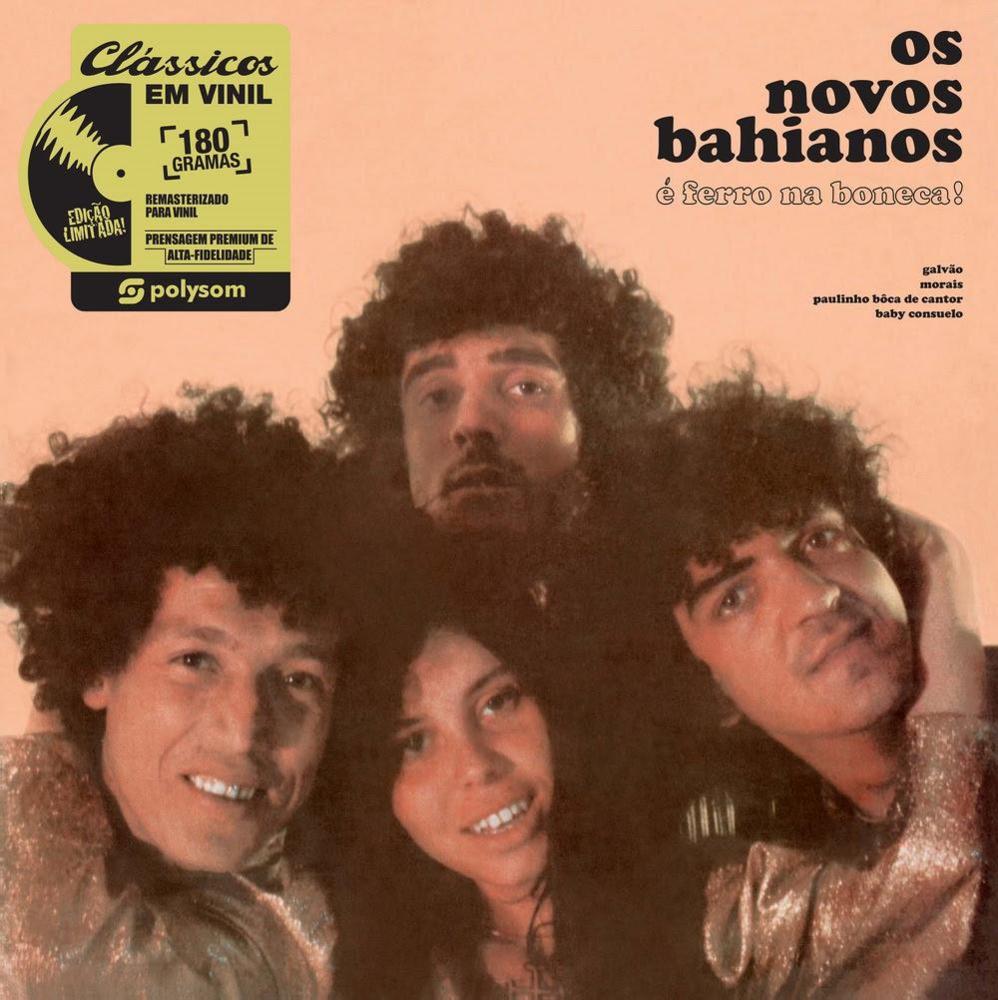
 View Artist