Song Meaning
The lyrics paint a hazy, almost dreamlike scene. A sky of "azul, azul fumaça" sets a tone that's both expansive and slightly obscured, like looking through a veil. This imagery introduces "uma nova raça," suggesting a collective emergence or transformation.
The core tension seems to lie in this "nova raça" navigating a world where traditional binaries blur. The line "A vida e a morte calçam igual" is striking, implying a radical shift in perspective where fundamental opposites lose their distinctness. This generation is "em busca," but not for conventional morality, as "Nem o bem, nem o mal" indicates.
The most compelling element is the self-referential nature of their drive: "O próprio passo é a razão." This suggests an internal compass, a reliance on personal momentum and experience rather than external doctrines or judgments. The repetition of "azul, azul fumaça" reinforces this atmospheric, perhaps even disorienting, backdrop against which this new consciousness is forming.
Ultimately, the effectiveness comes from this sense of emergent identity. It's not about rebellion against an old order, but about forging a new way of being where the journey itself, the individual stride, becomes the sole justification and guiding principle.
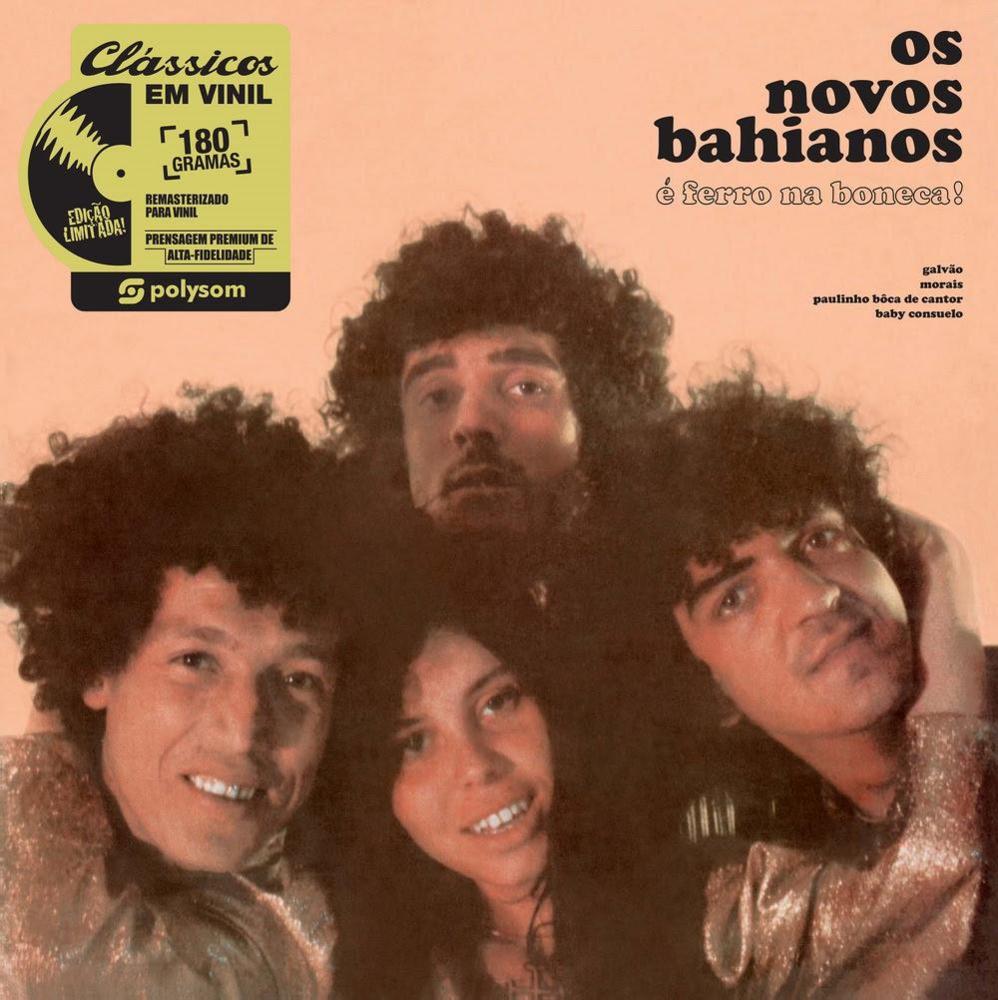
 View Artist