Song Meaning
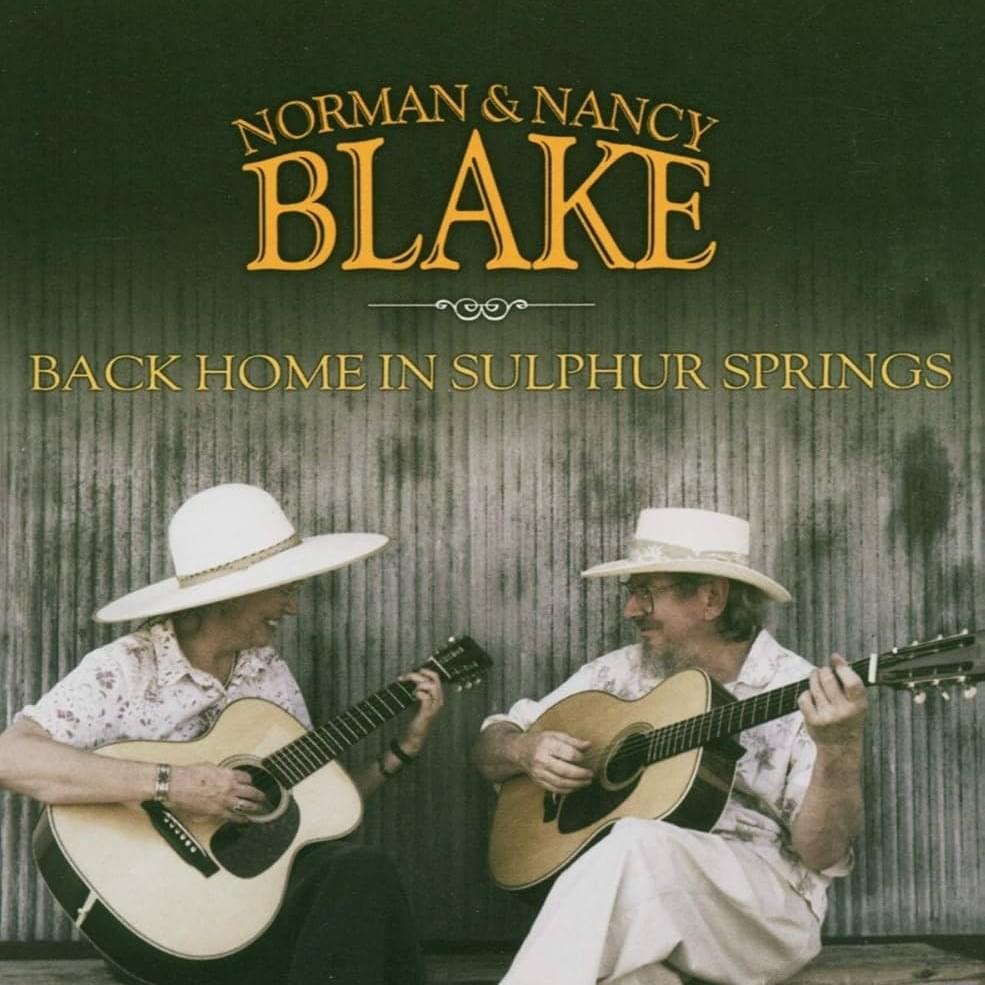
Norman Blake's rendition of "Columbus Stockade Blues" drips with a uniquely American blend of heartbreak and fatalism, a potent cocktail familiar to anyone who's ever felt the sting of betrayal. The song, steeped in the tradition of old-time country blues, isn't just about being locked up in a Georgia jail; it's about the deeper prison of lost love and the loneliness that follows. The opening lines immediately establish a sense of displacement and longing, both geographically (“Way down in Columbus Georgia / I want to be back in Tennessee”) and emotionally. The singer's physical confinement in the Columbus Stockade mirrors his emotional isolation, amplified by the perceived abandonment of friends.
The repeated chorus, seemingly a nonchalant dismissal of a departing lover (“Go and leave me if you wish to / Oh leave me, darling, I don't mind”), is the song's most psychologically compelling element. Is it genuine indifference, a brave face masking profound pain, or perhaps a touch of self-deception? The lyrics hint at the latter, especially in the second verse, where the singer laments, “I thought I had your heart forever / Now I found it's only lent.” This reveals a vulnerability that belies the chorus's apparent apathy. The dream sequence in the third verse further underscores this fragility. The fleeting moment of comfort found in a dream, only to be shattered by the reality of “speaking through the bars,” emphasizes the stark contrast between desire and circumstance.
Ultimately, the song meaning of "Columbus Stockade Blues" revolves around the complex interplay of loss, acceptance, and the enduring human need for connection. The final line, “Lord, I've got them walking blues,” serves as a poignant summation of the singer's emotional state. It's not just the blues of being incarcerated, but the blues of a broken heart, a wandering spirit, and the crushing weight of loneliness. Norman Blake's interpretation captures the raw emotional core of the song, transforming it into a timeless meditation on the human condition.
 View Artist