Song Meaning
Norman Blake's "Church Street Blues" isn't just a song; it's a sonic portrait of displacement and the quiet desperation of a man adrift. The opening lines immediately plunge us into a world of "low down rain" and the maddening presence of a "good time Charlie," painting a vivid picture of urban alienation. Charlotte Street, rendered in disorienting green and red, symbolizes the distorted reality of a life far removed from the simple comforts of "home on the farm." This yearning for a lost pastoral ideal underscores the psychic toll of his current circumstances, hinting at a deeper longing for stability and peace of mind. The "feather bed" becomes a potent symbol of that unattainable serenity.
The recurring motif of "thin dime hard times" and "Hell on Church Street blues" is not merely about financial woes. It reflects a deeper existential struggle, a battle against the crushing weight of circumstance. The rockin' chair becomes a symbol of attempted escape, a futile effort to "lose" these burdens. Even the seemingly mundane act of reading old news and giving a nickel to the poor reveals a desire to connect, however fleetingly, with a sense of purpose and community. The discarded billfold is a powerful image of renunciation, a symbolic letting go of material concerns in the face of overwhelming hardship.
Ultimately, "Church Street Blues" finds a fragile hope in the power of music. The desire for "guitar strings Old Black Diamond brand" and to "join some band" speaks to a yearning for self-expression and connection. Even if the singer remains "right here just pick and sing a while," the act of creating music and offering a smile to others becomes a form of resistance, a small act of defiance against the "Hell" of his situation. The song is a testament to the resilience of the human spirit, finding solace and meaning even in the depths of despair. It's a blues song, yes, but one that resonates with a quiet, enduring strength.
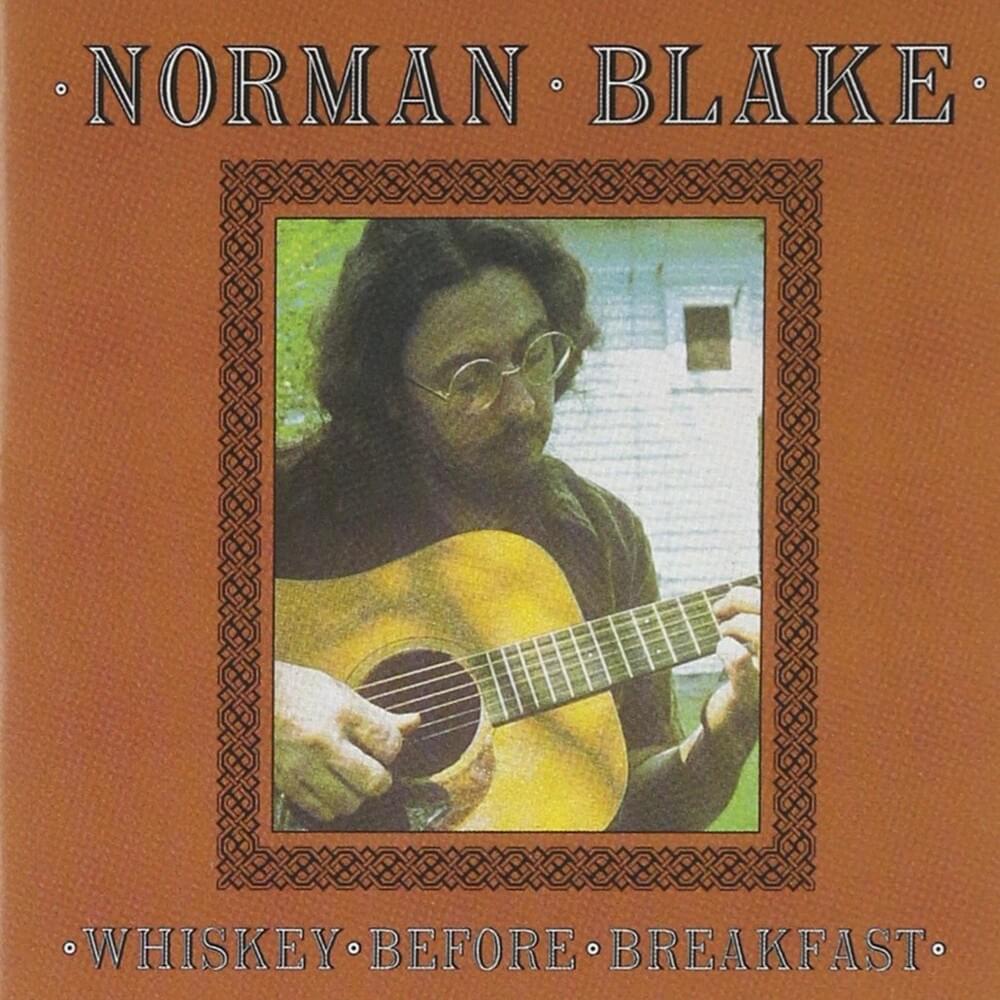
 View Artist