Song Meaning
The lyrics paint a picture of someone confronting darkness and past defiance, declaring themselves "a man without fear, without dread, without land." This sets a tone of rugged self-reliance, suggesting a life lived on the edge, perhaps marked by challenges and a refusal to be contained by external forces or expectations. The initial lines establish a solitary figure facing the encroaching night, a potent image of internal struggle or external threat.
The core of the song lies in a defiant challenge, a visceral plea for confrontation: "Storm my sea, set my sky ablaze." The narrator actively invites destruction, asking for the last vestiges of warmth and light to be taken, and for the moon to be broken. This isn't a cry for help, but a dare, a test of endurance framed as a battle. It suggests a deep-seated need to prove one's own strength by withstanding extreme adversity, almost as if validation can only be found through absolute devastation.
This desire for intensity is further developed by the idea of a growing hunger over time, a yearning for "more than you can give." The narrator explicitly states they sought and found "new paths, new rules, new bonds" that offered greater fulfillment. This highlights a rejection of limitations and a proactive pursuit of experiences that transcend what was previously known or offered, reinforcing the theme of self-determination and a restless spirit that cannot be satisfied by the status quo.
The final stanza solidifies this resolute stance, acknowledging a life lived with potential regret but ultimately embracing the choices made. The narrator claims to "regret nothing from the life I've lived" and can "stand for the battles I've had." This acceptance of past struggles, coupled with the earlier defiance, creates a powerful portrait of someone who has faced their demons, both internal and external, and emerged with an unshakeable sense of self, ready to face whatever comes next without flinching.
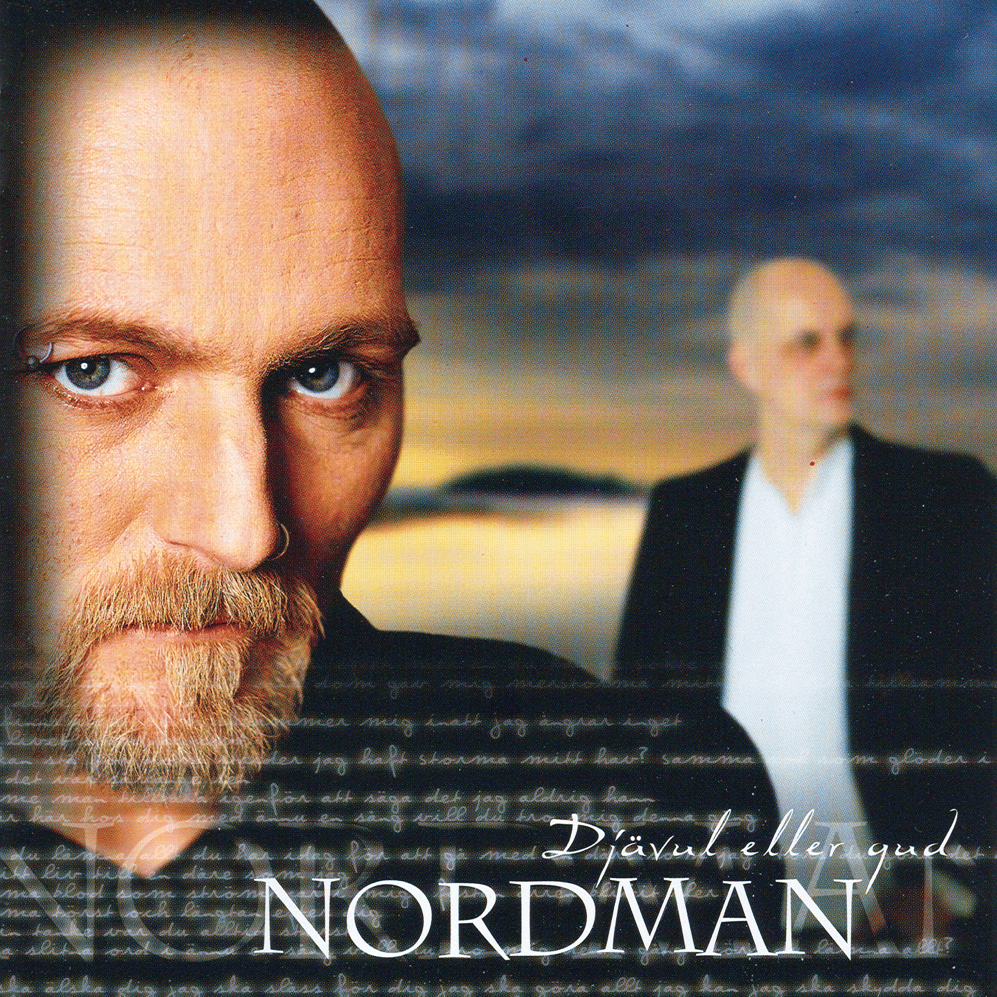
 View Artist