Song Meaning
The lyrics paint a stark, nocturnal journey across a sandy landscape as the sun sets behind Arnar's mountains. A palpable sense of unease settles in with the encroaching darkness, which seems to awaken spectral presences. The narrator is on a trek, guided by a divine hand, yet the destination, 'gård och grind,' remains distant, emphasizing a prolonged and uncertain passage. The repetition of "Herren leder gångaren min" underscores a reliance on faith amidst the growing shadows.
The narrative tension escalates with the introduction of predatory figures. A fox's cry signals fear among the sheep, a classic image of vulnerability. This is quickly followed by a more mythic threat: 'Bergakungen' (the Mountain King) emerges from the earth, mirroring the fox's predatory nature. The narrator's own state is described as 'fredlös' (outlawed), suggesting a shared, hunted existence, as both the fox and this emerging figure pursue 'vilsna får' (lost sheep).
The most striking shift occurs with the appearance of the 'älvadrottningen' (Elf Queen), who dances across the sand. Her allure is dangerous, a siren call to 'Rid, ja rid om livet är dig kärt' (Ride, yes ride if your life is dear to you), but this is a desperate plea to flee her 'fagra... handen' (fair hand). The lyrics explicitly state her desire: 'Ryttarens själ till fånga hon begär' (The rider's soul she desires to capture). This introduces a supernatural, existential threat that dwarfs the earlier animalistic dangers.
The narrator's desperate vow to sacrifice their 'Bästa häst' (best horse) upon reaching 'Kida gill' reveals the immense stakes of this perilous journey. The triple repetition of this pledge amplifies the urgency and the perceived value of their ultimate goal, whatever 'Kida gill' may represent. The lyrics effectively use the transition from natural twilight to supernatural night to build a narrative of spiritual and physical peril, culminating in a plea for salvation through extreme sacrifice.
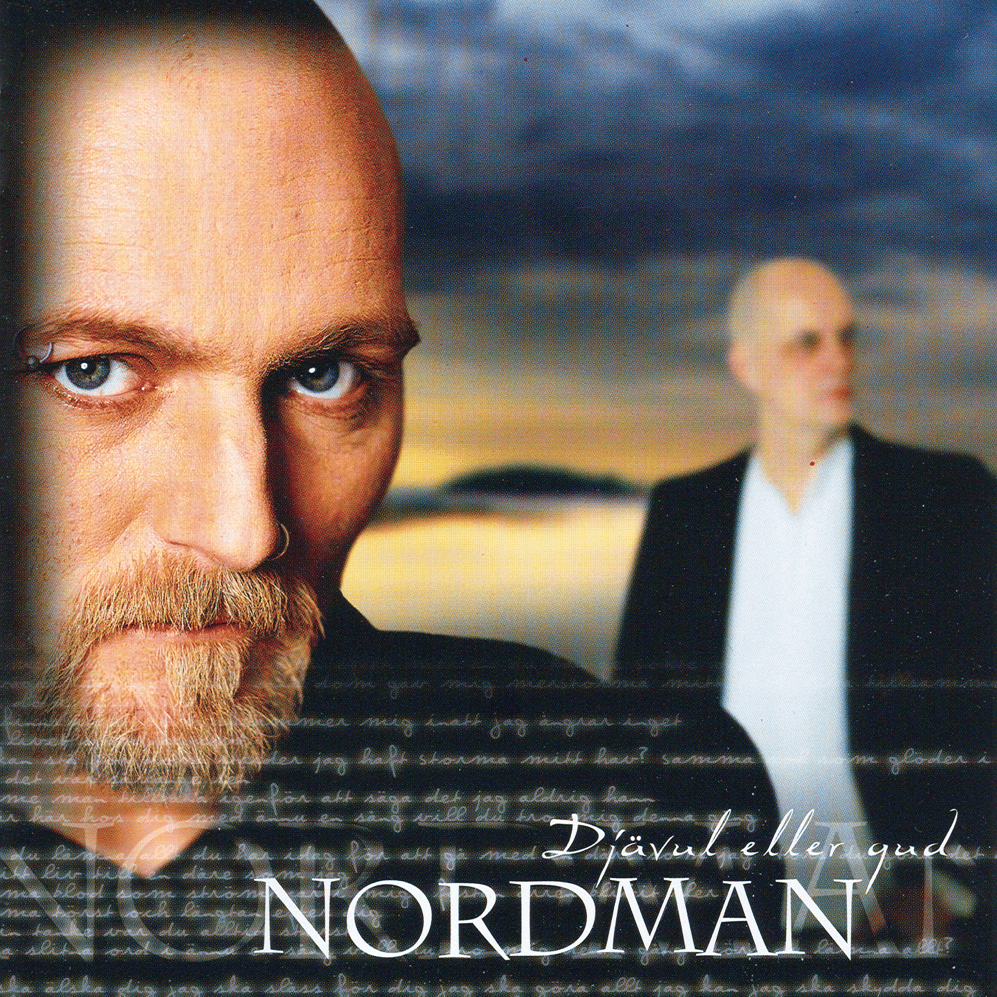
 View Artist