Song Meaning
The lyrics paint a picture of a hesitant descent into a dim, perhaps melancholic, reality. The opening lines, "From scarlet along the small / Along the banks of melting ice," evoke a transition from something vibrant or intense (scarlet) to a more muted, fragile state, like thawing ice. The narrator seems to be pulled reluctantly, "clutching the street to their face," suggesting a forced or uncomfortable immersion into their surroundings. This initial scene sets a tone of subdued movement and a feeling of being overwhelmed by the environment.
The central tension emerges in the repeated refrain, "We will be miracles ourselves!" This declaration stands in stark contrast to the imagery of melting ice and being "clutched" by the street. It suggests a defiant aspiration for self-creation and wonder amidst a seemingly bleak or dissolving landscape. The pursuit of these "miracles" is further defined by searching "along the routes of torn sheets," a phrase that hints at broken intimacy, past relationships, or perhaps a desperate, fragmented search for something real and lasting.
The lyrics employ striking, almost surreal imagery to convey this internal state. The idea of "borrowing sparks" and the "sequence of your shots" followed by "I am drying out" creates a sense of depletion and dependence, as if the narrator is consuming the energy of another or a past event. The line "I burned the water, it seems, not the right one" is particularly intriguing, suggesting a fundamental mistake or miscalculation in their efforts, leading to a quiet, persistent internal ticking, "Quietly / Ticking," which could represent anxiety or the passage of time.
Ultimately, the effectiveness of these lyrics lies in their ability to juxtapose a feeling of passive, almost sorrowful drift with an active, almost desperate assertion of self-worth. The contrast between the "melting ice" and the "miracles" creates a compelling emotional space. The fragmented, evocative imagery, like "torn sheets" and "burned water," allows listeners to project their own experiences of loss, longing, and the struggle to find wonder in difficult circumstances.
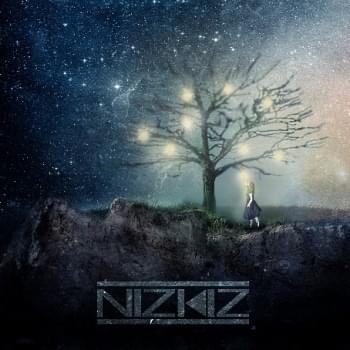
 View Artist