Song Meaning
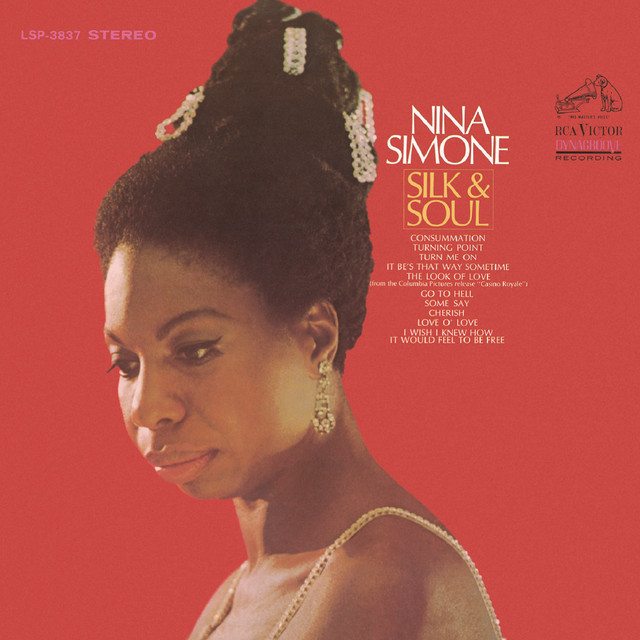
Nina Simone's deceptively simple "Turning Point" operates as a miniature, devastating short story about childhood innocence colliding with the brick wall of racial prejudice. Sung from the perspective of a young white girl, the lyrics paint a picture of innocent camaraderie with a Black classmate. The child's observations are guileless: she notes the other girl's appearance ("She looks just like chocolate"), highlights their shared experiences in first grade, and recounts a moment of protective solidarity on the playground. These details establish a baseline of untainted acceptance. The core of the song meaning rests on the child's earnest desire for deeper connection: "Mom, can she come over / To play dolls with me?" This innocent request is the turning point, the moment where the child's pure vision of the world slams against the ingrained biases of her mother.
The genius of Simone's songwriting lies in what's *not* said. The mother's refusal is never explicitly stated, only implied in the heartbreaking repetition of "Why not? oh why not?" and the dawning realization in the final "Oh... I... see..." This ellipsis speaks volumes. The child’s slow comprehension is the song’s most painful element; she is forced to confront a reality far more complex and cruel than anything she could have imagined. It's a loss of innocence, a premature exposure to the divisive forces of society that taint her understanding of friendship. The song's brevity amplifies its impact; it's a snapshot of a specific moment, but one that resonates with universal themes of prejudice and its insidious transmission across generations.
"Turning Point" isn't merely a song about racism; it's a psychological portrait of how prejudice takes root. The child's initial acceptance is natural, instinctive. The mother's unspoken rejection introduces a learned bias, a social construct that warps the child's perception. The song subtly critiques the adult world for imposing these limitations on children, for sacrificing genuine connection at the altar of societal norms. Nina Simone, as ever, uses her art to expose uncomfortable truths, forcing listeners to confront the subtle ways in which prejudice operates, even within the seemingly safe confines of a childhood friendship. The lyrics analysis reveals a narrative far deeper than its surface simplicity suggests, a chilling commentary on the cyclical nature of prejudice and its devastating impact on young minds.
 View Artist