Song Meaning
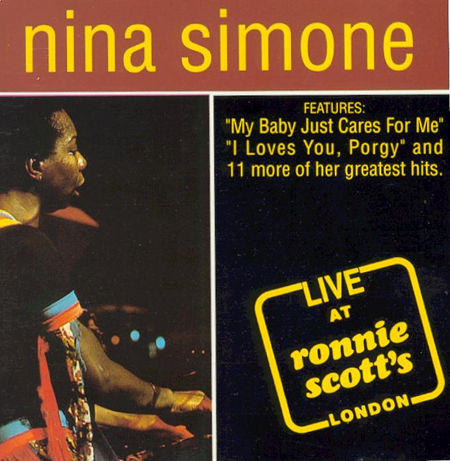
Nina Simone's rendition of "The Other Woman," particularly the live version from Ronnie Scott's, isn't just a song; it's a masterclass in emotional excavation. Simone doesn't just sing the lyrics, she inhabits the character, dissecting the archetype of the mistress with a surgeon's precision and a poet's empathy. The song's meaning lies in its exploration of the carefully constructed facade of perfection that the "other woman" meticulously maintains. Manicured nails, French perfume, and pristine rooms aren't signs of inherent superiority, but rather desperate attempts to compensate for a fundamental lack – the legitimacy and security of true love.
The brilliance of "The Other Woman" resides in its unflinching portrayal of the emotional cost of this charade. The lyrics paint a picture of a woman perpetually performing, eternally vigilant against any hint of imperfection. She's a lonesome queen, as the lyrics suggest, ruling over a meticulously curated but ultimately hollow kingdom. The bridge offers a critical insight: she provides a 'change from old routine,' suggesting the man's motivation is not love, but escape from the mundane. Simone's delivery underscores the crushing irony – this carefully constructed allure is both the source of her power and the prison of her despair.
Ultimately, "The Other Woman" is a tragedy in miniature. The final verse reveals the bleak truth: the meticulously crafted image crumbles under the weight of loneliness and the realization that she will never possess the one thing she truly desires: enduring love. The song's true meaning isn't about judging the morality of the affair, but about exposing the profound vulnerability and ultimate futility of seeking fulfillment through someone else's fractured commitment. Simone's interpretation transforms a simple narrative into a devastating commentary on the human condition, a chilling reminder that even the most carefully constructed illusions cannot mask the emptiness of a loveless existence.
 View Artist