Song Meaning
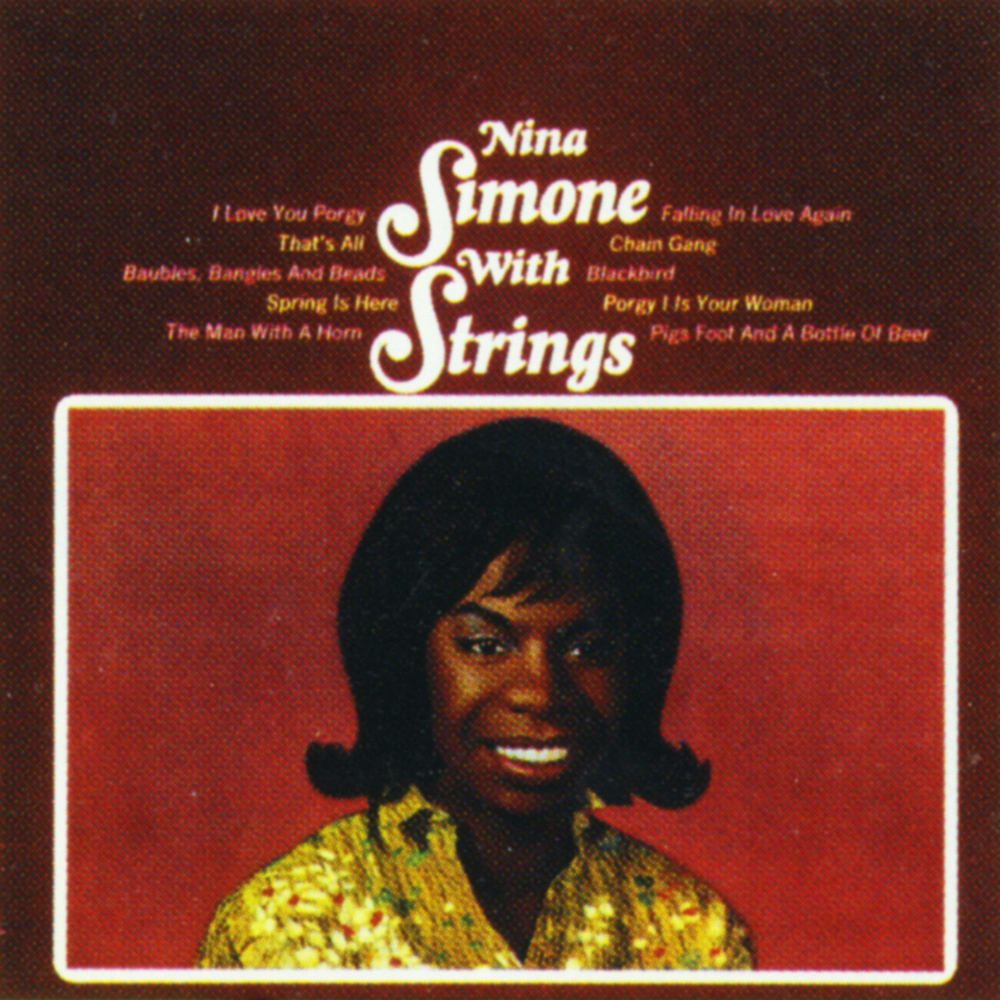
Nina Simone's rendition of "Spring is Here" isn't a celebration of rebirth; it's a stark portrait of emotional disconnect. The song meaning hinges on a painful irony: the external world is blooming, vibrant, and full of promise, yet the singer remains trapped in a winter of the soul. The lyrics themselves are simple, almost childlike in their directness, which only amplifies the profound sadness they convey. Each verse poses a question – why doesn't the breeze delight, the night excite, the waltz entrance? – and each question circles back to the same bleak answer: a lack of connection. The absence of love and belonging casts a long shadow, rendering the beauty of spring meaningless.
Simone's genius lies in her ability to inhabit this emotional space fully. The repetition of "Spring is here" becomes almost accusatory, a constant reminder of what the singer *should* be feeling but can't. It's not just a simple case of unrequited love; there's a deeper sense of alienation at play. The singer isn't simply longing for a romantic partner; she's grappling with a fundamental need to be needed, to feel valued, to have her existence validated by another. This speaks to a core human vulnerability, the fear that we are ultimately alone and insignificant.
The song's melancholic beauty resides in its understated arrangement and Simone's controlled delivery. She doesn't belt or wail; instead, her voice possesses a quiet resignation, as if she's already accepted her fate. This restraint makes the emotional impact all the more devastating. "Spring is Here," in Simone's interpretation, isn't just a song about loneliness; it's an exploration of the human condition, the inherent yearning for connection, and the profound despair that can arise when that connection is absent. It's a stark reminder that external beauty can't always penetrate the darkness within.
 View Artist