Song Meaning
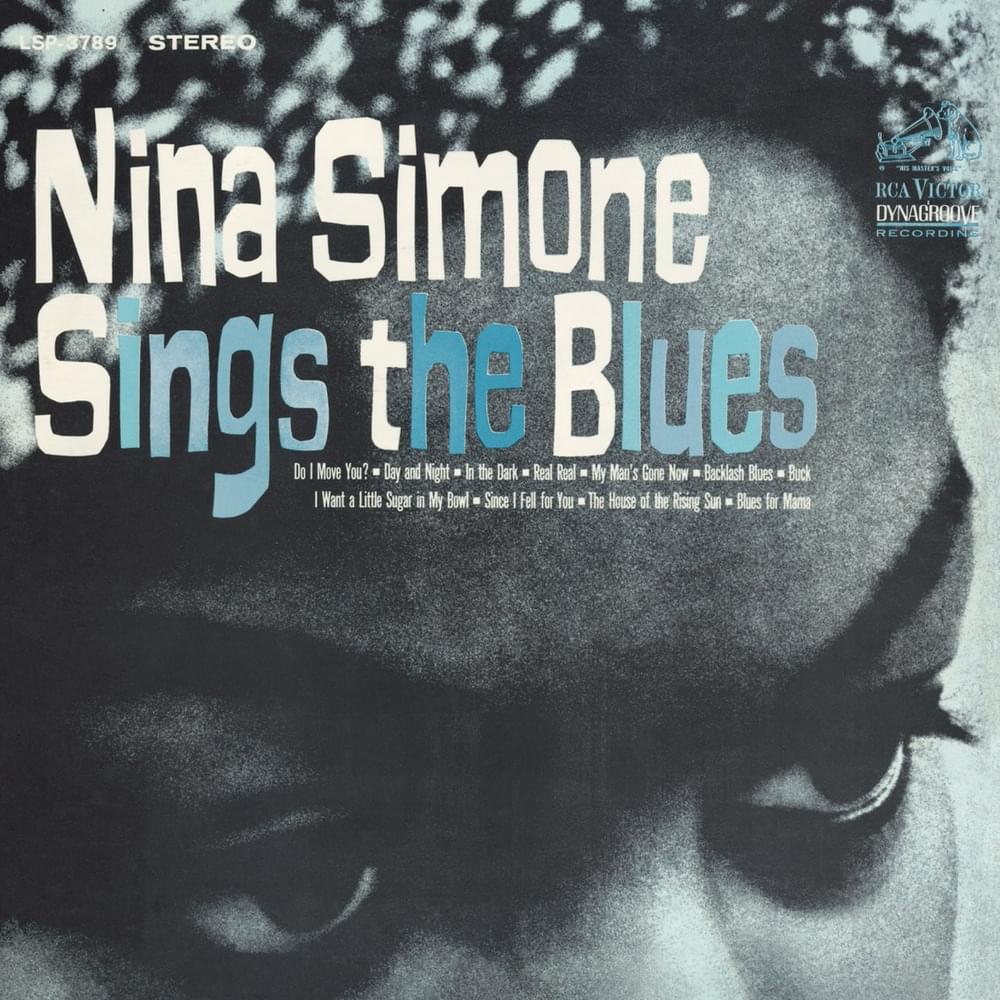
Nina Simone's interpretation of "Since I Fell for You" is a masterclass in conveying the masochistic allure of heartbreak. The song, a lament of lost love, isn't just about sadness; it's a study in the psychology of attachment, exploring why we cling to relationships that demonstrably wound us. Simone's voice, raw and vulnerable, makes the simple lyrics resonate with a profound sense of emotional truth. The opening lines, "You made me leave my happy home / You took my love and now you're gone," establish the initial wound – a disruption of comfort and security caused by the lover's departure. But the repeated phrase, "Since I fell for you," hints at something deeper than mere regret. It suggests a transformation, a before-and-after state where the singer's identity is now inextricably linked to this painful experience. The act of falling, often romanticized, here becomes synonymous with a loss of self.
The song's genius lies in its unflinching portrayal of love's darker side. Simone doesn't shy away from acknowledging the "misery and pain" that love can bring, admitting, "I guess I'll never be the same." This isn't a naive lament; it's a mature acceptance of the lasting impact of heartbreak. The lines "You love me, then you snub me / But what can I do? / I'm still in love with you" are particularly potent, capturing the push-pull dynamic of an unhealthy relationship. It reveals the singer's awareness of the lover's inconsistent behavior, yet her inability to break free from the emotional bond. This speaks to the complex ways in which our brains become wired to seek validation, even from sources that are unreliable or harmful.
Ultimately, Nina Simone's rendition of "Since I Fell for You" transcends a simple love song. It becomes a haunting exploration of the human condition, examining our capacity for both profound connection and self-destructive behavior. The "blues 'bout every night" aren't just a symptom of heartbreak; they're a reflection of the internal struggle to reconcile our desires with our realities. The song's enduring power lies in its honesty, its willingness to confront the uncomfortable truths about love and loss, and its ability to find beauty in the midst of pain. It's a reminder that sometimes, the most profound art comes from staring directly into the abyss of our own emotions.
 View Artist