Song Meaning
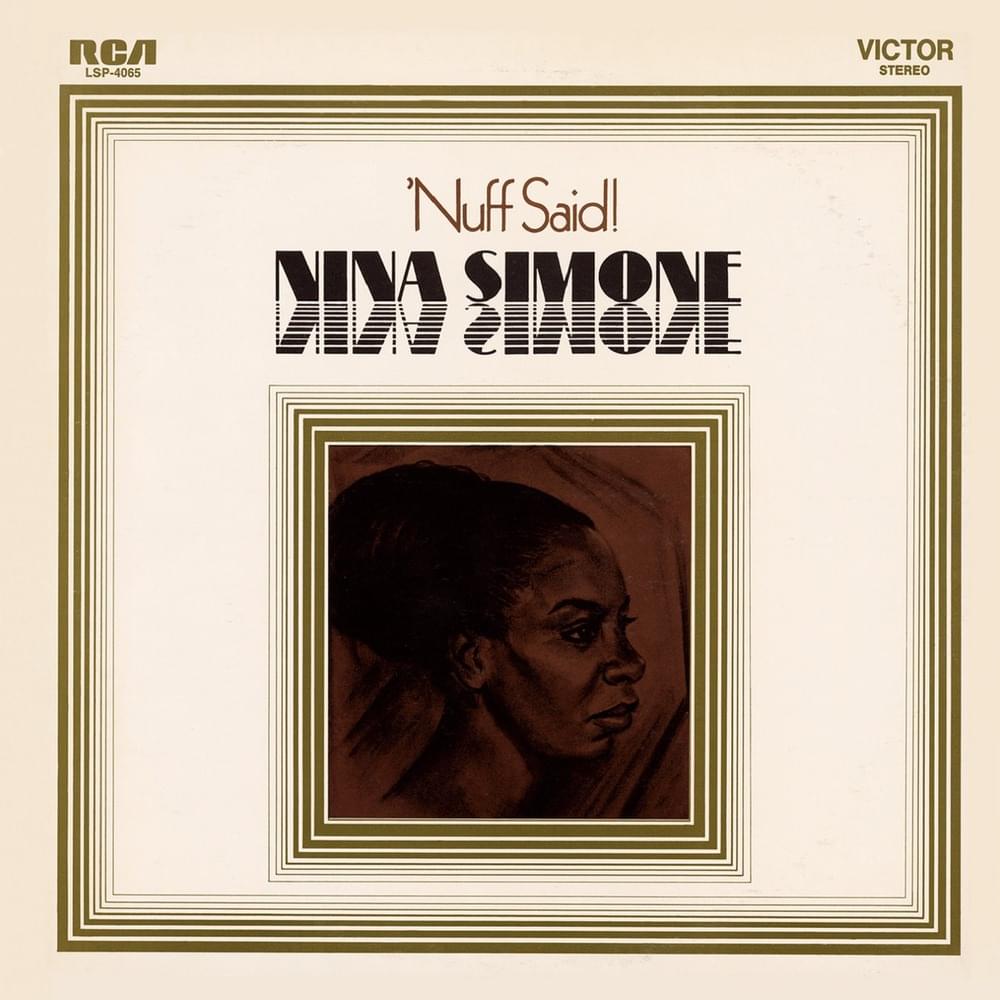
Nina Simone's "Please Read Me" is a stark, almost painfully vulnerable plea for understanding. Stripped bare of her usual fiery defiance, Simone (or the persona she embodies here) presents a portrait of someone adrift, seeking recognition and acceptance from another. The opening lines establish a past self, a "simple man" unburdened by the complexities of the present. This hints at a loss of innocence, a fall from grace into a state where communication has become difficult, and reality itself seems obscured. The repetition of "Please read me" underscores the desperation for connection, a longing to be seen and understood beyond surface appearances. The song's meaning resides in this raw exposure of the self.
The lyrics suggest a co-dependent relationship, where the speaker has become overly reliant on another for validation. The line, "Maybe I've been lying on your couch too long," speaks volumes about a potential imbalance of power. It's a confession of vulnerability, acknowledging a reliance that may have become a burden. There's a sense of stagnation, of being stuck in a passive role, waiting for the other person to provide meaning and direction. The phrase "I'll stay if you can see me through" is not a demand, but a fragile hope that the other person possesses the insight and empathy to guide them out of this emotional impasse. The repeated request to "explain why" further amplifies the need for external validation, revealing an individual struggling to make sense of their own existence.
Ultimately, "Please Read Me" transcends a simple love song. It functions as a profound exploration of the human need for connection, the crippling effects of emotional dependency, and the universal desire to be truly seen and understood. Nina Simone, through her plaintive delivery, transforms the lyrics into a haunting meditation on vulnerability, leaving the listener to contemplate the profound responsibility that comes with witnessing another person's raw, unfiltered plea for recognition. The song's enduring power lies in its unflinching portrayal of this shared human experience, resonating long after the final notes fade.
 View Artist