Song Meaning
Nina Simone's "Our Love (Will See Us Through)" isn't a grand declaration of passion, but rather a quietly resilient testament to the power of companionship in the face of life's inevitable storms. The song's beauty lies in its simplicity, eschewing complex metaphors for a direct, almost childlike faith in the strength of mutual support. It acknowledges the existence of hardship – "things go wrong," "tears come our way," "clouds bring the rain" – but refuses to dwell on them. Instead, the lyrics consistently pivot back to the unwavering anchor of 'each other.' This isn't about blind optimism; it's a grounded understanding that shared burdens are lighter and that even the smallest act of intimacy, like "a little tender kiss," can provide solace and strength.
The repeating refrain, "our love will see us through," acts as both a promise and a mantra. It's a reinforcement of the bond, a verbal commitment to navigate difficulties together. The bridge offers a particularly insightful glimpse into the mechanics of this shared resilience. The image of "grey skies will all turn bare" isn't a guarantee of perpetual sunshine, but rather a suggestion that even the darkest periods are temporary and surmountable when faced as a united front. It suggests a belief that love, in its most practical and unromantic form, can alter perception and offer hope where there might otherwise be despair.
Ultimately, the song meaning of “Our Love (Will See Us Through)” resides in its understated wisdom. Nina Simone, known for her often-fiery interpretations and powerful social commentary, here delivers a message of quiet strength. The song’s value lies not in its complexity, but in its accessibility and universal appeal. It is a reminder that even in the face of overwhelming adversity, the simple act of human connection can be a source of profound comfort and resilience. It speaks to the enduring human need for companionship and the transformative power of shared experience, particularly when navigating life's inevitable challenges.
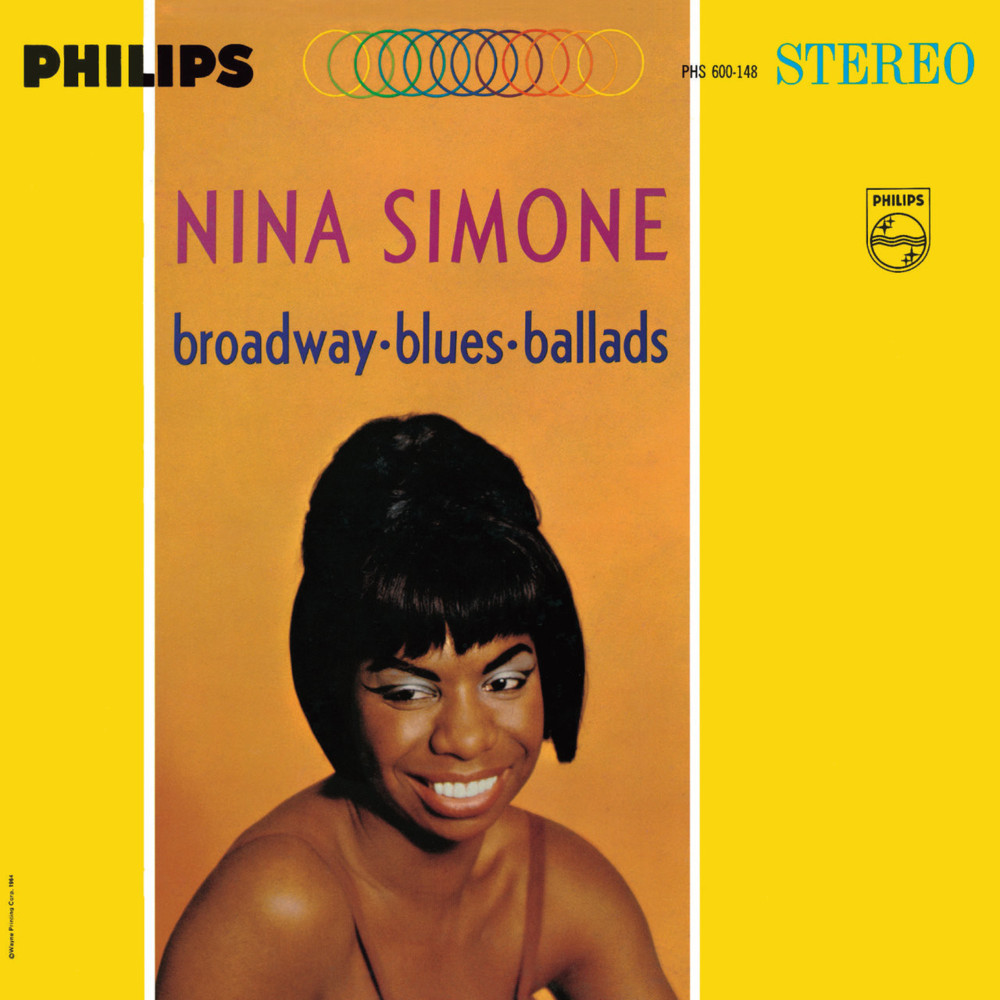
 View Artist