Song Meaning
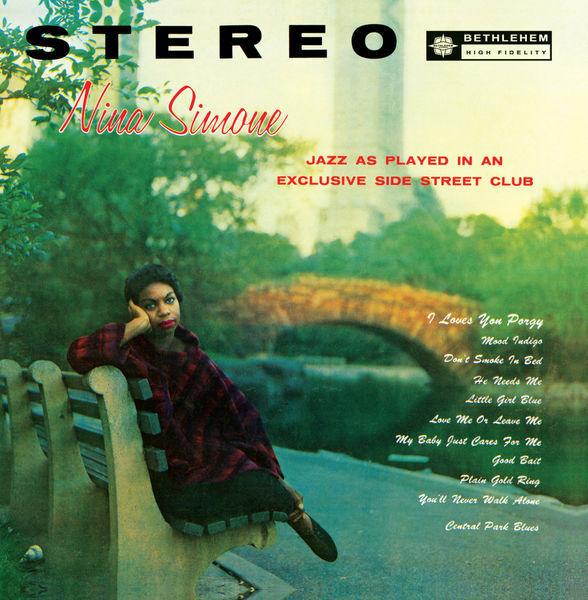
{"song_id": 12410997, "meaning": "Nina Simone's \"Mood Indigo\" isn't just a song; it's an immersion into the deep, velvety darkness of heartbreak. The lyrics analysis reveals a soul utterly consumed by the ache of abandonment. Simone doesn't just sing about sadness; she embodies it, becoming the very color of indigo itself. The opening lines, \"You ain't never been blue / 'Til you've had that mood indigo,\" serve as a stark warning: you may think you know sadness, but until you've experienced *this*, you've only grazed the surface. It's a possessive, all-encompassing despair. This isn't a fleeting moment of melancholy; it's a state of being.
The feeling, as described, isn't just emotional; it's physically debilitating. It \"goes stealing down to my shoes,\" suggesting a weight, a gravity pulling the singer down, anchoring her to the spot, unable to escape. The repetition of \"I always get that mood indigo / Since my baby said goodbye\" underscores the cyclical nature of grief. It's not a one-time event, but a recurring torment, triggered by the memory of lost love. The image of evening, \"when lights are low,\" amplifies the sense of isolation and vulnerability, a time when shadows lengthen and loneliness intensifies.
Ultimately, the song meaning circles back to the crushing weight of feeling utterly alone and uncared for: \"there's nobody who cares about me.\" This declaration isn't delivered with anger or defiance, but with a quiet resignation, a profound acceptance of her desolate state. The final lines, \"When I get that mood indigo / I could lay me down and die,\" are not a literal threat, but a metaphorical expression of the soul-crushing despair that threatens to overwhelm her. The \"Mood Indigo\" isn't merely sadness; it's a yearning for oblivion, a surrender to the all-consuming darkness."}
 View Artist