Song Meaning
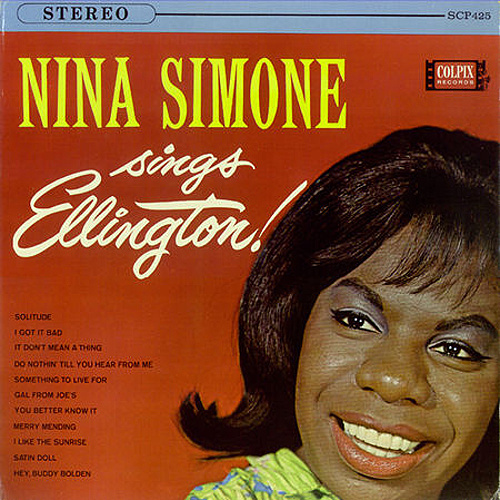
Nina Simone's "I Like the Sunrise" is a deceptively simple hymn to hope, revealing a core of weariness that only intensifies its impact. The song meaning isn't buried in complex metaphors; it resides right on the surface, shimmering with a fragile optimism born from the depths of exhaustion. Simone, ever the master of conveying complex emotional states, uses the sunrise as a potent symbol of renewal, a daily promise that cuts through the oppressive weight of the night. This isn't naive optimism; it's a hard-won, almost desperate clinging to the possibility of a better tomorrow. The lyrics analysis reveals a narrator utterly drained ("Nighttime's so weary and oh so am I"), finding solace only in the anticipated arrival of dawn.
The song's power lies in its stark contrast. The "blazing" sunrise, the "heavenly" sight, these images are juxtaposed with the narrator's weariness and the "heavy blue curtain" of night. This isn't just about preferring day over night; it's about a yearning for liberation from a burden, a hope that the new day will bring not just change, but actual relief. The simple act of wishing on a star every evening underscores this deep-seated desire, a plea for a "brand new tomorrow" that feels perpetually out of reach.
Ultimately, "I Like the Sunrise" isn't just a pleasant ode to nature; it's a poignant exploration of the human spirit's resilience in the face of adversity. The final line, "I like the sunrise and I hope it likes poor me," is particularly heartbreaking. It's a vulnerable admission of dependence, a recognition that even the promise of a new day feels conditional, dependent on some external force offering favor. Simone's delivery, with its characteristic blend of strength and vulnerability, elevates this simple song into a profound statement about hope, weariness, and the enduring search for solace.
 View Artist