Song Meaning
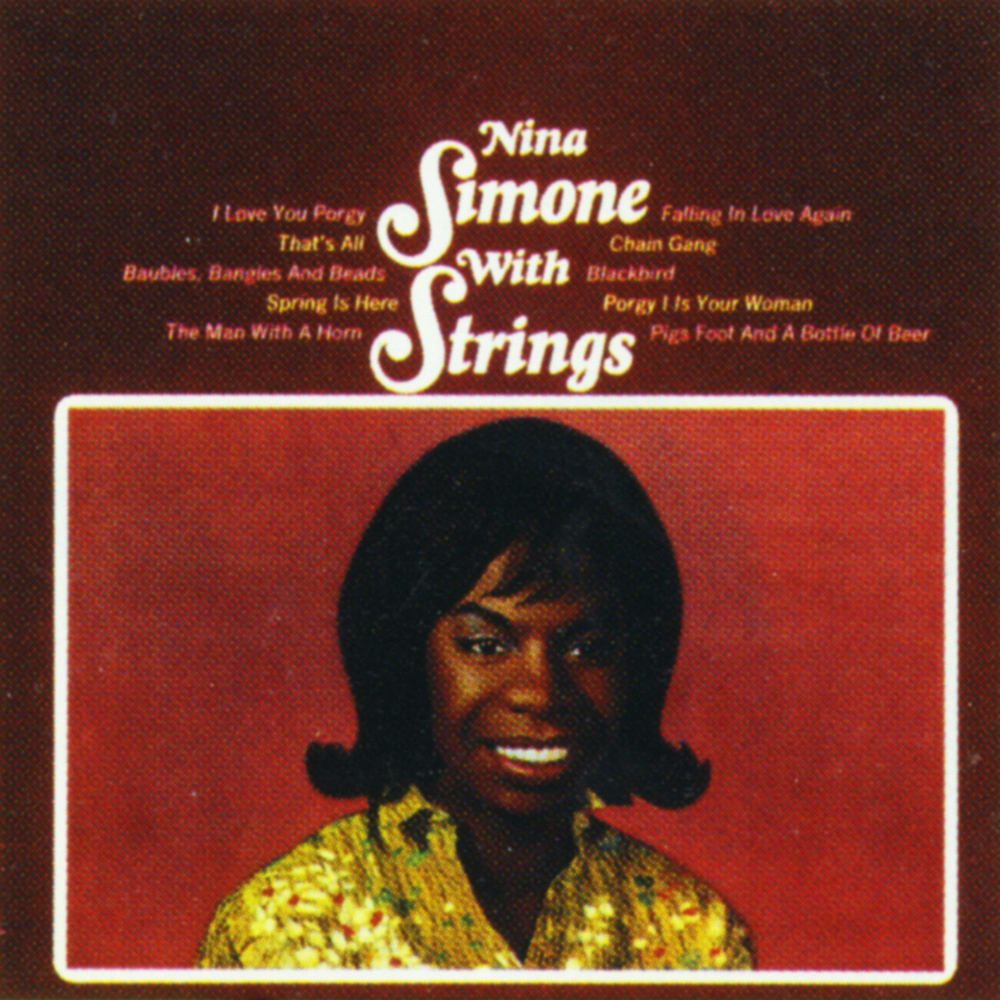
Nina Simone's rendition of "Falling In Love Again (Can't Help It)" is a masterclass in controlled fatalism. It's not a love song in the traditional sense, but rather an exploration of irresistible compulsion and the collateral damage it leaves in its wake. The lyrics paint a portrait of a figure resigned to her allure, a siren whose gravitational pull is as much a curse as it is a gift. Simone doesn't revel in the power dynamic; instead, she acknowledges it with a weary acceptance. The opening lines, "Falling in love again, I never wanted to / What am I to do? I can't help it," immediately establish this sense of inevitability. It's not about the joy of romance, but the Sisyphean repetition of a pattern she feels powerless to break. This isn't coyness; it's a lament.
The bridge offers the most chilling insight into the song's meaning. The metaphor of men clustering "like moths around a flame" is brutal in its honesty. It speaks to a destructive magnetism, where the pursuers are drawn ineluctably toward their own demise. Crucially, Simone absolves herself of responsibility: "And if their wings burn, I know I'm not to blame." This isn't callousness, but a defense mechanism. She's acknowledging the pain she inflicts, but also distancing herself from the consequences. It’s the sound of self-preservation in the face of a force she cannot control. She recognizes the pattern, the predictable outcome, but remains trapped within it.
Ultimately, "Falling In Love Again (Can't Help It)" becomes a study in the psychology of attraction and the burden of charisma. Nina Simone doesn't just sing the words; she embodies the complex emotions at play. The song explores themes of responsibility, self-awareness, and the isolating nature of being perceived as an object of desire. It’s a dark, honest look at the cyclical nature of attraction and the emotional toll it can take on everyone involved. The repeated refrain, "I can't help it," isn't an excuse, but a tragic admission of a force beyond her will, solidifying the song's meaning as a somber reflection on the human condition.
 View Artist