Song Meaning
Nina Simone's plea in "Don't Take All Night" isn't merely about impatient romance; it's a raw, exposed nerve of vulnerability demanding reciprocation. The lyrics cut straight to the chase, bypassing coy games for a direct appeal: "Don't take all night / To tell me that you love me." This isn't a gentle hint; it's a woman laying bare her emotional investment and requesting validation in real-time. The repeated insistence underscores a deep-seated anxiety, a fear that prolonged silence equates to rejection or, perhaps worse, indifference. It speaks to the universal desire for clarity and reassurance in matters of the heart, amplified by Simone's signature intensity.
The urgency in "Don't Take All Night" hints at a power dynamic, or at least, a perceived imbalance. The singer's repeated requests – "Tell me now," "I'm anxious to know, dear" – suggest a fear of losing momentum, that the opportunity for connection might slip away if the other person hesitates. The line "Don't you know I have the right / To know if you want me" isn't just about entitlement; it's a declaration of self-worth. It acknowledges that her emotional investment deserves a timely response, challenging the unspoken rules of courtship that often prioritize male agency. The desire for a "kiss" to "seal" their love taps into the primal human need for physical affirmation, a tangible symbol of commitment.
Beneath the surface of a simple love song, "Don't Take All Night" reveals a poignant exploration of emotional labor and the courage it takes to voice one's desires. The lyrics subtly address the societal pressure on women to be passive recipients of affection, rather than active participants in shaping their romantic destinies. Nina Simone, known for her unflinching honesty, flips the script, demanding immediacy and transparency. The repetition of the title phrase drives home the point: time is precious, emotions are fragile, and in matters of love, delay can be a form of denial. The song meaning, therefore, resides not just in the longing for love, but in the assertive claim for emotional honesty and the right to be loved without hesitation.
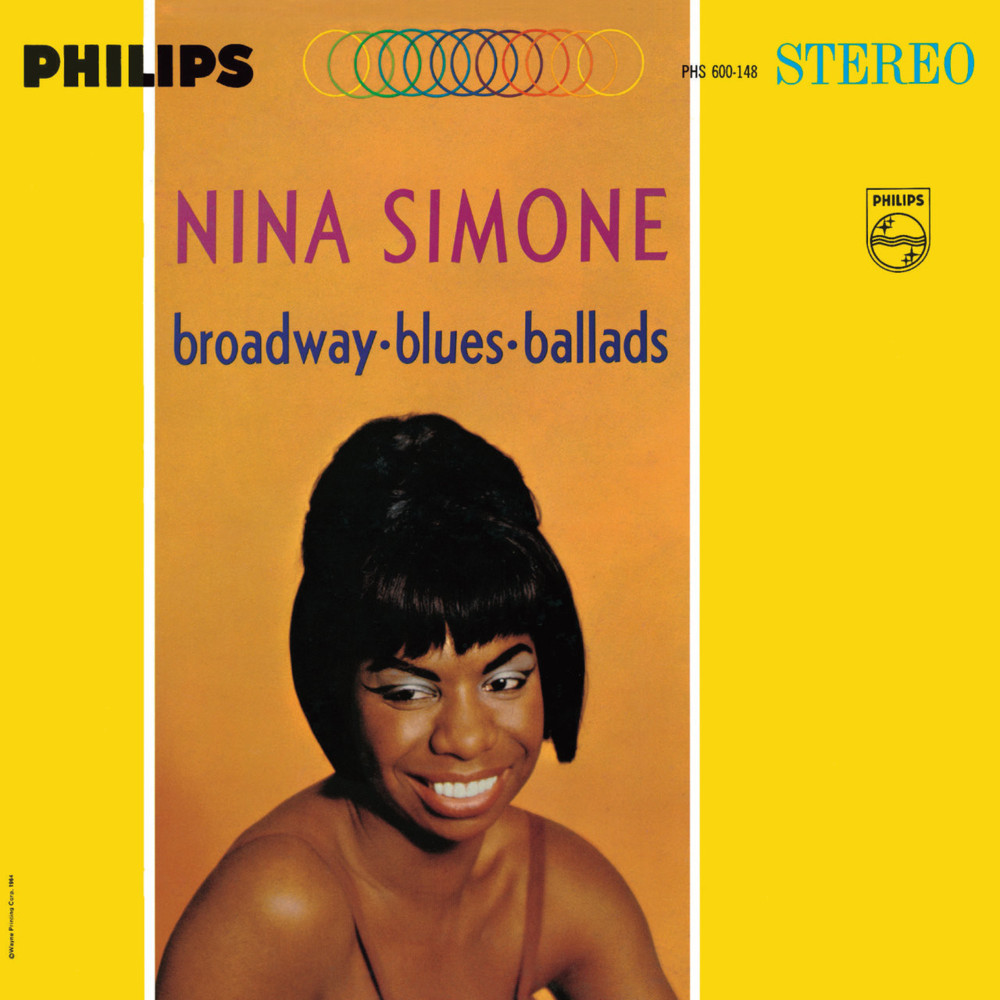
 View Artist