Song Meaning
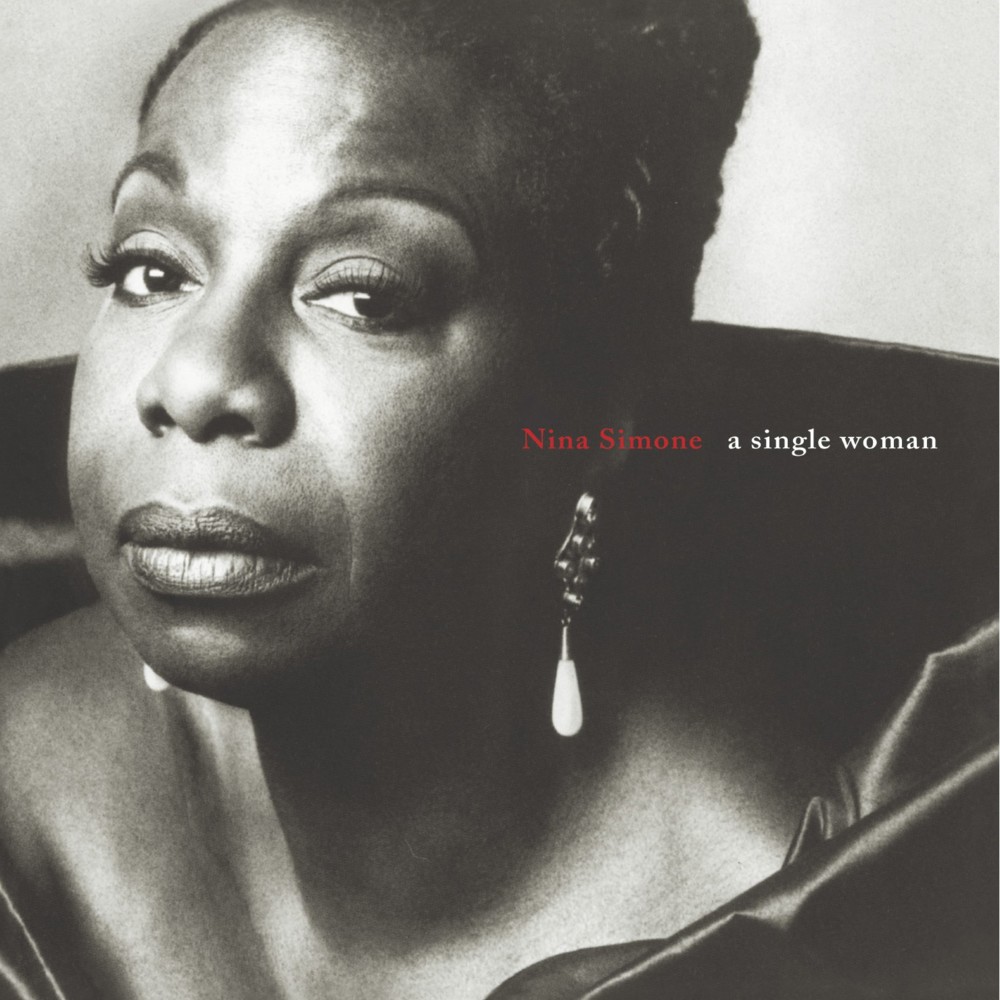
Nina Simone's "A Single Woman" isn't a lament, but a stark portrait of interiority. The song's power lies in its unsentimental depiction of solitude, a state many experience but few articulate with such raw honesty. The opening lines establish the landscape: a solitary existence, acknowledged as difficult, but presented without self-pity. The walls that "talk back" suggest a mind grappling with its own history, questioning the past's rosy hue. It's a conversation with the self, amplified by the silence of an empty home. The implication is not that the past *was* better, but that memory itself is a seductive trickster.
Simone masterfully captures the paradox of being "alone at home or in a crowd." This line speaks volumes about the isolating nature of the human condition, even amidst social interaction. The "private cloud" imagery suggests a detachment, a remove from the shared reality of others. This isn't necessarily a negative judgment, but rather a statement of fact: the single woman occupies a unique space, understood by few. The declaration "I am what I am" is not defiant, but weary, a resignation to the present moment and its attendant isolation. It also hints at a possible societal judgment, the weight of expectations placed upon a woman who does not conform to traditional roles.
The final verse introduces a flicker of ambiguity. The memory of a house "full of love" is presented as potentially illusory, "imagination's plan." This raises questions about the reliability of memory and the mind's tendency to construct narratives that ease the burden of the present. Was there a time of genuine connection, or is it a comforting fiction? Ultimately, "A Single Woman" is a complex exploration of solitude, memory, and the search for meaning in a world that often misunderstands those who walk a less-traveled path. The song meaning resonates deeply because it avoids easy answers, instead offering a nuanced and deeply personal reflection on the human experience.
 View Artist