Song Meaning
The lyrics present a stark, almost nihilistic view of existence, urging a passive acceptance of hardship and insignificance. The opening lines, "Don't think about it / Best to ignore," immediately establish a tone of resignation, suggesting that contemplation only leads to distress. The narrator seems to advocate for a quiet, unresisting approach to life's inevitable difficulties, implying that "dire" reactions are futile and that one is merely "one of a million more." This perspective frames individual struggles as common and ultimately unacknowledged by the wider world.
The central tension lies in the conflict between the desire for fairness and the brutal reality of life's arbitrary nature. The repeated question, "Why should it be fair," underscores a deep-seated frustration with inequality and suffering. Yet, this is immediately countered by the observation that "We are always alone," suggesting that external validation or support is absent. The lyrics push the listener to acknowledge past accomplishments, however small, as a form of solace, framing it as "a kind of courage" to simply endure and move forward despite this isolation.
The most striking aspect of the craft is the juxtaposition of bleak pronouncements with moments of almost defiant, albeit quiet, perseverance. The repeated instruction to "Best to ignore" is balanced by the idea that one "do[es] it for our family / And more," introducing a flicker of purpose. The final lines, a chilling echo of the opening, "You'll never miss you / You'll never know," serve as a final, stark reminder of this perceived insignificance, yet the act of continuing, of running "fast through the / Darkening door," implies a form of courage born from sheer necessity rather than hope.
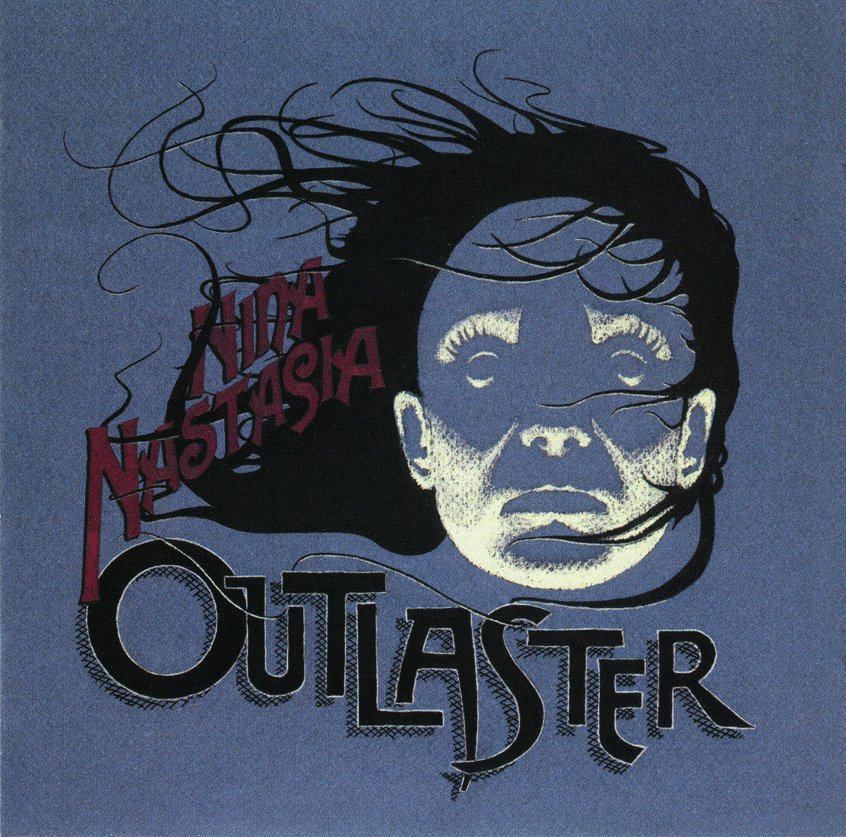
 View Artist