Song Meaning
The lyrics present a stark, almost resigned acceptance of a persistent, perhaps overwhelming, internal state. The opening lines, "This is what it is / You don't need to rest / Sit around the clock / Forget your head," establish a tone of relentless, unyielding reality. It suggests a situation where rest is impossible, and mental clarity is actively discouraged, replaced by a constant, perhaps vacant, presence. The repetition of "It's always there / It's full of air" reinforces this idea of an inescapable, yet insubstantial, condition.
The central tension emerges in the contrast between the narrator's own stated condition and their address to another person. While the narrator claims "I don't need so much / I got perfect pitch / I am clear / I'm full of air," they seem to be speaking to someone who is struggling, urging them to "Forget your head" and "Lose your head." This creates an unsettling dynamic: the narrator, seemingly at peace with their own airy, ever-present state, is instructing another to embrace a similar, potentially disorienting, condition.
The most striking craft element is the recurring phrase "It's always there / It's full of air." This duality is key. "Always there" implies permanence and inevitability, while "full of air" suggests emptiness, lack of substance, or perhaps even a lightness that borders on detachment. The repeated instruction to "Take it out / Start again / Close it up / Be the one" further complicates this, hinting at a desire for transformation or a cyclical process of engagement and disengagement with this state.
Ultimately, the lyrics resonate through their blunt, almost minimalist portrayal of a difficult internal landscape. The phrase "I couldn't take a bigger bite of you" or "of it" is particularly potent, suggesting an overwhelming presence or experience that cannot be fully consumed or processed. The song's effectiveness lies in its refusal to offer easy answers, instead presenting a raw, declarative statement about an inescapable reality, leaving the listener to ponder the nature of this persistent, airy 'what it is'.
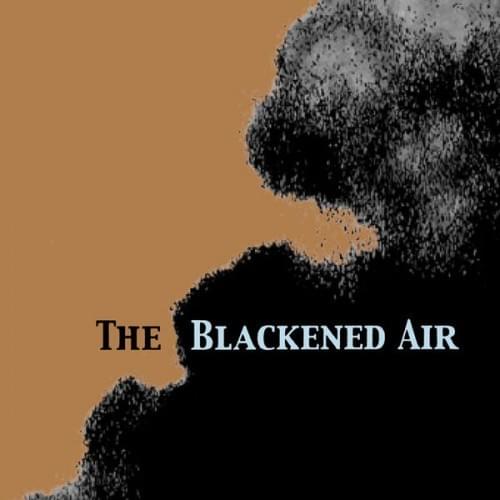
 View Artist