Song Meaning
Walking a tropical path under a quiet, humid night, the narrator is enveloped by the scent of moisture and the distant sound of a love song carried on the sea breeze. This idyllic setting evokes a past romance, a time of passionate nights spent by the ocean, sealed with promises of eternal love and remembrance. The memory is so potent it feels like a tangible presence, a recurring scene played out "noche tras noche, hasta el mar."
The core of the song lies in the stark contrast between this cherished past and the narrator's present desolation. The vibrant memories are now overshadowed by an unbearable emptiness, a profound sense of loss that manifests physically and emotionally. The repeated phrase "mueren de llorar" and "muere de esperar" paints a picture of a spirit slowly fading, consumed by grief and the agonizing act of waiting for a love that has vanished.
The lyrics personify the "vereda tropical" itself, directly addressing it as if it were a confidante or even an accomplice in the narrator's heartbreak. The plea, "Tú la dejaste ir, vereda tropical, hazla volver a mí," imbues the setting with a sense of agency, suggesting the path witnessed the departure and holds the power to facilitate a return. This anthropomorphism highlights the narrator's desperation and the way their entire world has become intertwined with this specific, now painful, location.
Ultimately, the song's power stems from its vivid portrayal of memory's double-edged nature. The "vereda tropical" is both the stage for profound happiness and the silent witness to its undoing. The simple, direct language amplifies the raw emotion, making the narrator's longing to recapture a lost moment of love "junto al mar" feel intensely personal and deeply resonant.
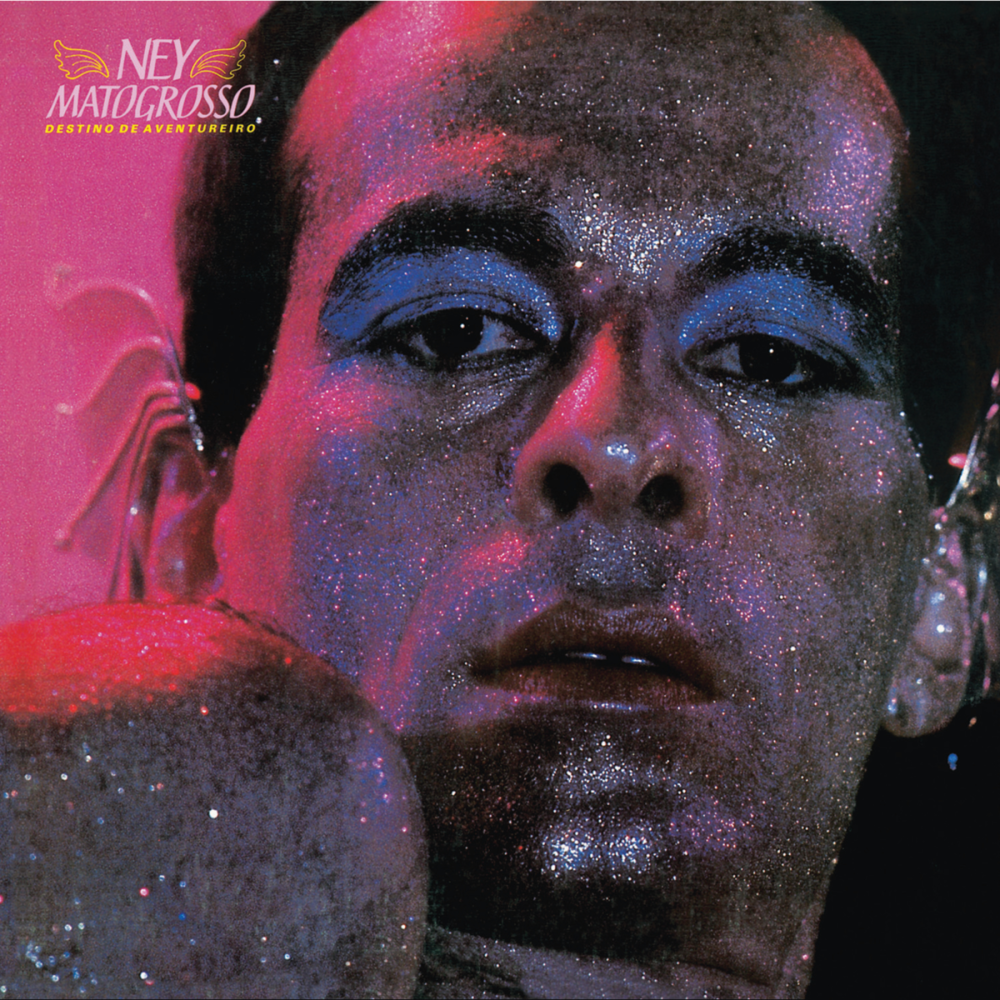
 View Artist