Song Meaning
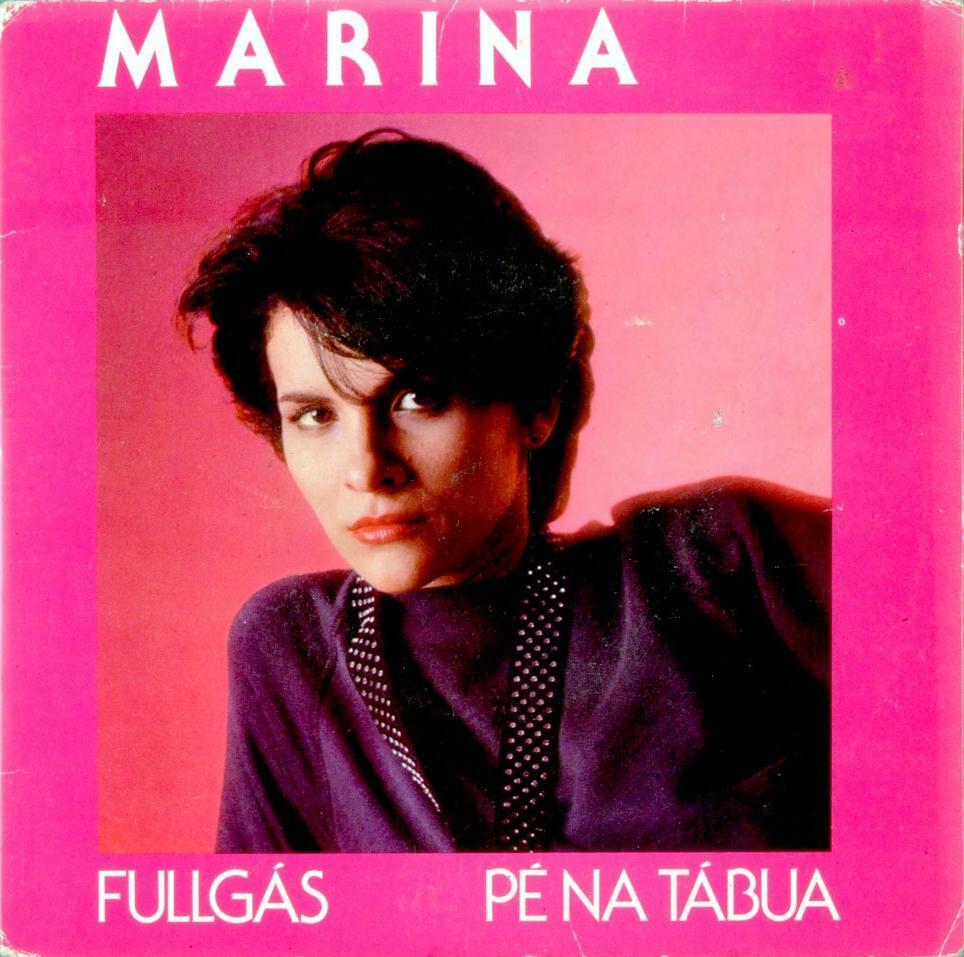
This song paints a picture of absolute devotion, where one person's existence is the sole architect of the narrator's world. The lyrics declare that everything – music, lyrics, dance, and life itself – is "fullgás," a Portuguese term implying full speed or full throttle, driven entirely by the beloved. This isn't just admiration; it's a declaration that the other person dictates the pace and content of the narrator's reality, launching every experience into high gear.
The central tension lies in the narrator's profound dependence, bordering on a complete surrender of self. The beloved is framed as a "brinquedo" (toy), suggesting a desire for possession and control, yet paradoxically, this object of affection is also the source of invincibility. The lyrics state, "Nada machuca, nem cansa" (Nothing hurts, nor tires) when this person is present, highlighting an almost magical shield they provide against life's hardships.
The most striking craft element is the creation of a shared, self-contained "país" (country) through their love. This metaphor elevates their relationship from a personal connection to a sovereign entity, a world built and governed by the two of them. The repetition of "Você me abre seus braços / E a gente faz um país" emphasizes this act of world-building, suggesting that their embrace literally constructs a new reality, a sanctuary from the outside.
Ultimately, the effectiveness of these lyrics stems from their unvarnished portrayal of an all-consuming love. The narrator finds not just happiness but a complete sense of purpose and protection in the other person, to the point where their absence is envisioned as a desolate landscape. The writing captures a potent, almost desperate, need for this singular source of energy and meaning, making the declaration of unwavering presence – "onde quer que você vá / É lá, que eu vou estar" – feel both romantic and intensely vulnerable.
 View Artist