Song Meaning
The lyrics paint a stark picture of premature disillusionment. The narrator addresses a loved one, "amor" and "querida," who is just beginning to experience life but is already talking about leaving. There's a palpable sense of urgency and a warning embedded in the address, as if the speaker sees a future the recipient cannot yet grasp. The opening lines establish a tone of gentle but firm admonishment, highlighting the contrast between the youth's nascent journey and their declared departure.
The central tension arises from the clash between youthful idealism and the harsh realities the narrator perceives. The speaker insists, "Preste atenção querida," because they believe the world will inevitably chip away at the recipient's spirit. The lyrics suggest that with every experience, "Em cada esquina / Cai um pouco a tua vida," and that the person will fundamentally change, losing their current self. This foreboding outlook creates a dramatic irony, as the recipient's "decidida" stance is framed as naive in the face of an unforgiving world.
The core metaphor, "O mundo é um moinho," is powerfully bleak. It suggests a relentless, destructive force that grinds down aspirations and illusions. The world doesn't just challenge dreams; it "Vai triturar teus sonhos / Tão mesquinhos" and "Vai reduzir as ilusões à pó." This imagery evokes a sense of inevitability and helplessness. The final lines, "Abismo que cavaste / Com teus pés," shift the blame, implying that while the world is destructive, the recipient's own actions or choices might be leading them toward this precipice.
This lyrical construction is effective because it grounds its profound pessimism in specific, relatable anxieties about growing up and facing disappointment. The direct address creates an intimate, almost confessional tone, making the harsh pronouncements feel personal. The contrast between the recipient's youth and the narrator's jaded perspective, coupled with the visceral imagery of grinding and dust, leaves a lasting impression of a world that crushes the spirit, perhaps even with the individual's complicity.
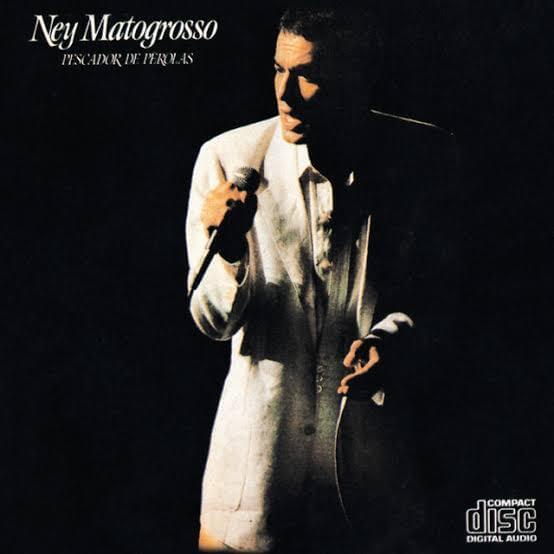
 View Artist