Song Meaning
This song paints a vibrant picture of Dora, a celebrated figure in Recife's cultural landscape. She's hailed as the "Rainha do frevo e do Maracatu," a queen of these distinct Brazilian musical and dance traditions. The narrator's encounter with her is set against the backdrop of Recife's distinctive geography, marked by rivers and bridges, and its colonial-era neighborhoods. The immediate impression is one of admiration and a lively, almost festive, atmosphere surrounding Dora.
The core of the lyrics revolves around the narrator's anticipation and observation of Dora. He explicitly states, "Eu vim a cidade / Pra ver meu bem passar," revealing his purpose for being there. The repeated calls of "Ô Dora! Ô Dora..." and the imagery of him seeing her "requebrando pra cá / Ora pra lá" in his mind highlight a deep fascination. This isn't just casual observation; it's a focused, almost devotional, attention paid to her movement and presence.
The most striking craft element is the way the lyrics build anticipation through sound and spectacle. The "clarins da banda militar" (bugles of the military band) are introduced not just as background noise but as a deliberate announcement of Dora's imminent arrival. This elevates her passing to a grand event, a procession worthy of fanfare. The narrator's excited exclamation, "Venham ver o que é bom!..." further emphasizes this sense of public spectacle and shared admiration.
Ultimately, the lyrics resonate because they capture a moment of pure, unadulterated appreciation for a local icon. The narrator's simple, direct language and the focus on Dora's skill – "Ninguém requebra nem dança melhor do que tu!" – create an authentic feeling of awe. It’s a snapshot of a community celebrating a beloved figure, making her seem larger than life through the power of collective praise and the evocative setting.
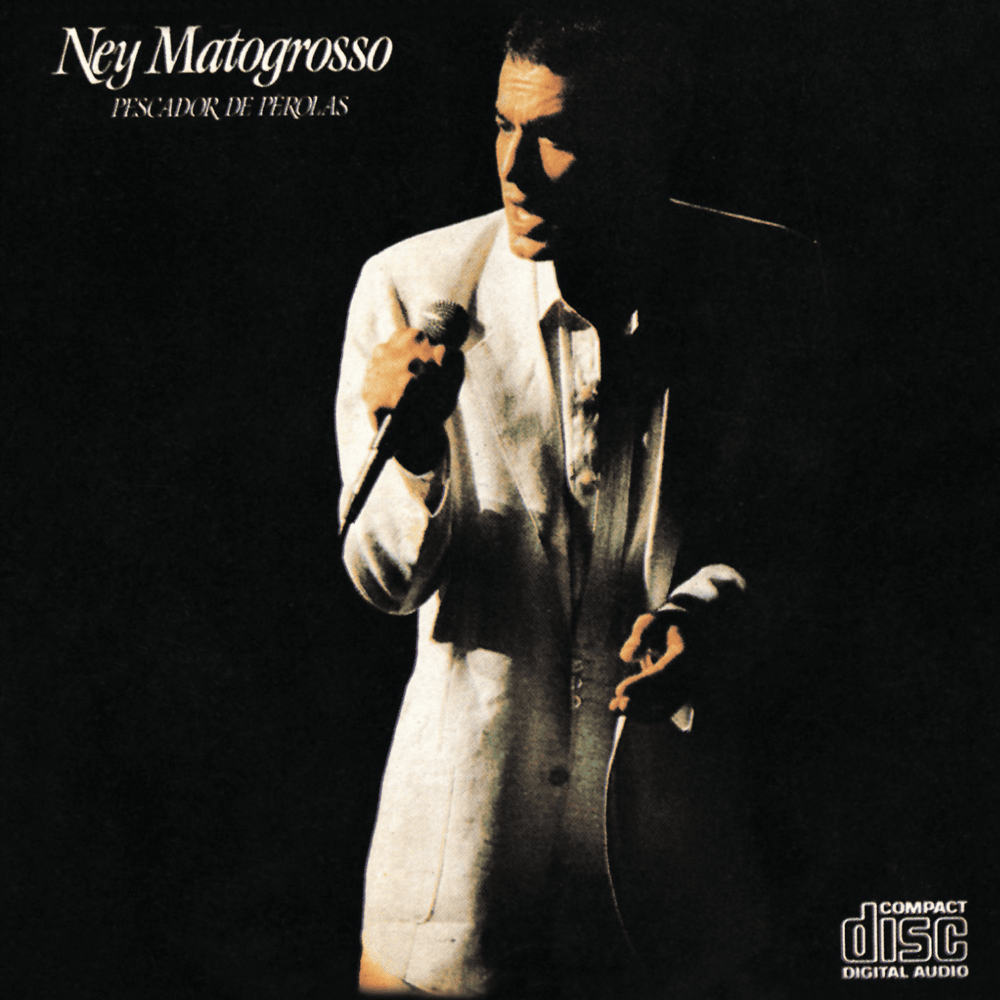
 View Artist