Song Meaning
The narrator grapples with the complexities of life, feeling entangled in the "accounts of my life." There's a sense of self-reliance and creation, as they state, "I am who weaves my income," a phrase repeated to emphasize this personal agency. This act of weaving income suggests a deliberate effort to build a livelihood and perhaps a future.
The lyrics present a fascinating duality in self-perception. The narrator identifies with "Virgin Mary," evoking purity and perhaps a sense of divine connection, but immediately contrasts this with "the color of wonder." This juxtaposition hints at a complex identity, one that is both sacred and perhaps fleeting or awe-inspiring in its mystery. The line "I am who I am and I am nothing" captures a profound existential tension, suggesting that despite their efforts and perceived roles, there's an underlying sense of emptiness or a story already written, leaving their true self undefined.
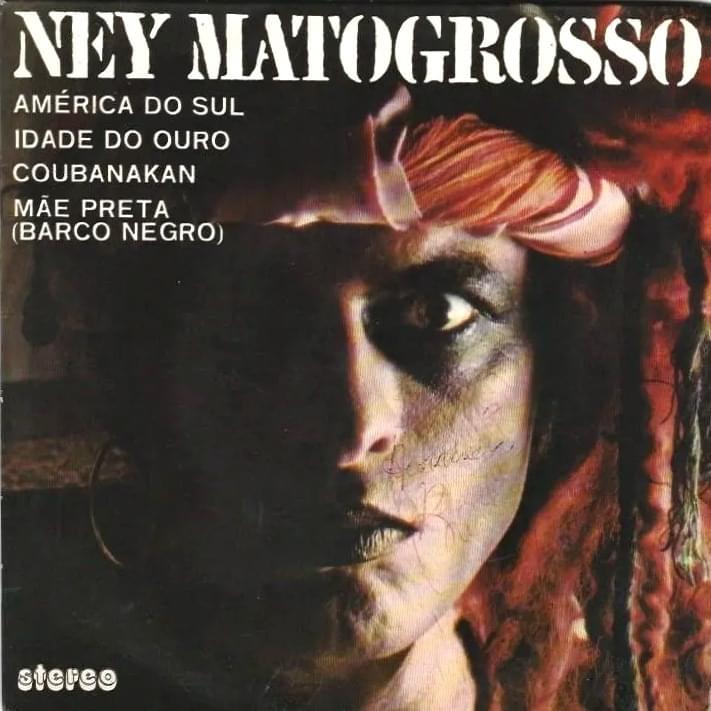
The central yearning is for a "golden age," a "old treasure," and "a good life" with a "God at leisure." This future-oriented hope stands in stark contrast to the present feeling of being tangled and perhaps insignificant. The repetition of the desire for this idealized future underscores its importance as a driving force, a distant reward for present struggles. The imagery of a "God at leisure" is particularly striking, suggesting a desire for a benevolent, perhaps less demanding, divine presence or simply a state of effortless peace.
Ultimately, these lyrics resonate because they articulate a universal human experience: the struggle to define oneself amidst life's burdens, the search for meaning, and the persistent hope for a better future. The writing skillfully uses contrasting images and existential statements to convey a deep emotional landscape, making the narrator's quiet longing for a "golden age" feel both personal and profoundly relatable.
 View Artist