Song Meaning
The lyrics paint a vivid, almost hallucinatory landscape of fragmented, often unsettling visions. The narrator repeatedly states "Vi" (I saw), cataloging a series of striking, sometimes contradictory images: "mosca urdindo fios / De sombra" (a fly weaving threads of shadow), "sangue numa gravura" (blood in an engraving), and "morte em caras paradas" (death in still faces). This opening establishes a tone of pervasive unease and a keen, if disoriented, observational power, hinting at a mind grappling with profound, perhaps disturbing, perceptions.
The central tension arises from the narrator's intense focus on these disparate, often dark, observations versus a profound inability to grasp a fundamental reality. The lyrics present a world teeming with "coisas de vida e morte" (things of life and death) and "coisas de sal e nada" (things of salt and nothing), suggesting an overwhelming influx of sensory and existential data. Yet, this barrage of detail ultimately leads not to understanding, but to a stark realization of ignorance. The narrator sees "peixes no firmamento" (fish in the firmament) and "tigres no azul das águas" (tigers in the blue of the waters), surreal inversions that mirror the internal confusion.
The most striking aspect of the craft is the relentless repetition of "Vi" followed by increasingly surreal or symbolic imagery, culminating in the stark confession: "E vi que não via nada / Nada, nada..." This structural choice amplifies the disconnect between perception and comprehension. The narrator witnesses an abundance of specific, often jarring details, from "pássaros transparentes" (transparent birds) to "bodas inexistentes / De noivas assassinadas" (non-existent weddings of murdered brides), yet these observations fail to cohere into a meaningful whole. The "circulação das ilhas" (circulation of the islands) becomes a metaphor for this elusive, fundamental understanding that remains just out of reach.
This lyrical construction is deeply effective because it mirrors a common human experience of feeling overwhelmed by information or sensory input, only to realize a lack of true insight. The progression from detailed, albeit strange, observations to the ultimate admission of seeing "nothing" creates a powerful emotional arc. It suggests that sometimes, the act of intense observation can paradoxically highlight what remains unseen or ungraspable, leaving the listener with a sense of profound, almost existential, bewilderment.
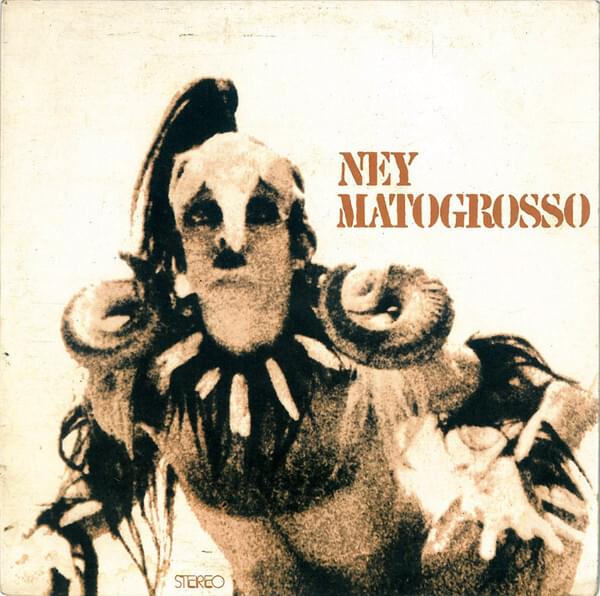
 View Artist