Song Meaning
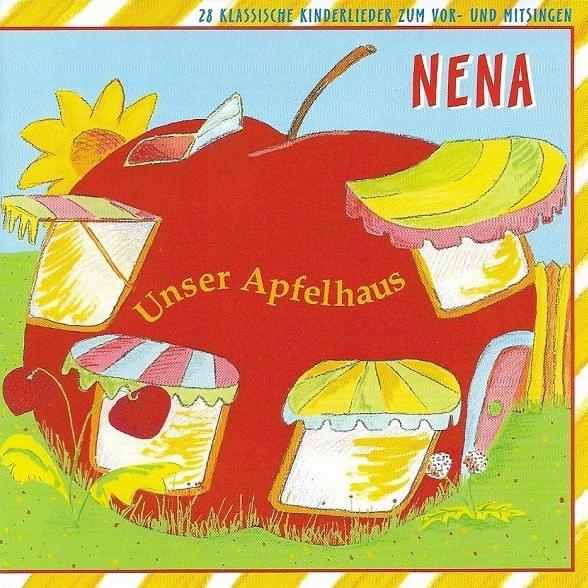
Nena's "Winde wehn, Schiffe gehn" isn't a stadium-sized anthem like "99 Luftballons," but it carries its own quiet emotional weight. Stripped down to its essence, the song paints a classic tableau of separation and longing, a sailor's farewell echoing across generations. The lyrics, simple yet evocative, speak of winds blowing ships far into foreign lands, leaving behind a weeping lover on the shore. It’s a scene as old as seafaring itself, the bittersweet ache of departure rendered with a gentle, almost childlike directness. The 'Matrosen allerliebster Schatz' (sailor's dearest treasure) embodies the universal experience of being left behind, the vulnerability of waiting for a loved one's return. This vulnerability is not just about romantic love; it can be interpreted as the anxiety felt by anyone watching someone they care about venture into the unknown.
The core of the song meaning lies in the consolation offered. The sailor, or perhaps the narrator acting as a voice of comfort, urges the weeping lover to wipe away their tears and remember the 'schöne Zeit' (beautiful time) they shared. This isn't a promise of immediate return, but a plea for emotional endurance, a call to hold onto cherished memories as a lifeline through the separation. The phrase 'Bis ich dich wieder hab' (until I have you again) is poignant in its simplicity. It acknowledges the uncertainty of the future while simultaneously reaffirming the bond between the two.
Ultimately, "Winde wehn, Schiffe gehn" resonates because it taps into fundamental human emotions. The song meaning isn't about grand pronouncements or complex metaphors; it's about the raw, unfiltered feeling of missing someone and the quiet determination to weather the storm of separation. Nena’s delivery, likely with a tenderness that belies her more energetic hits, amplifies this sense of intimacy, making the song a touching meditation on love, loss, and the enduring power of memory.
 View Artist