Song Meaning
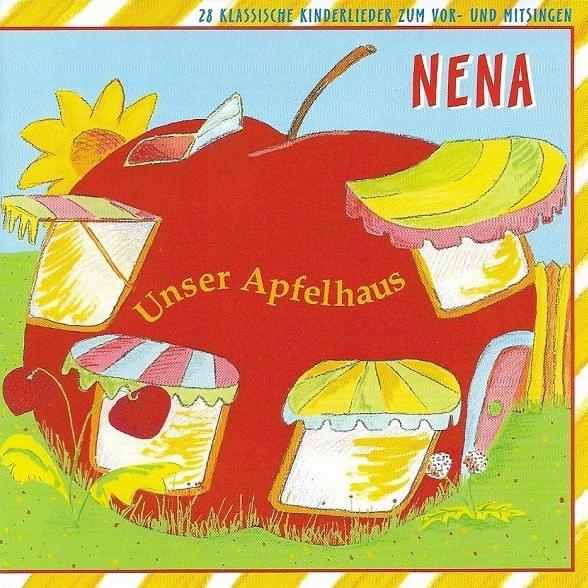
Nena's rendition of "Das Wandern ist des Müllers Lust" (Wandering is the Miller's Joy) isn't just a simple folk tune revival; it's a deceptively profound meditation on purpose, stagnation, and the relentless pursuit of forward motion. While the surface-level interpretation celebrates the joys of wandering, a deeper lyrics analysis reveals a commentary on the miller's role and a broader human need for activity and fulfillment. The repetition of "Das Wandern ist des Müllers Lust" drives home the central tenet: wandering isn't just a pastime, it's the miller's very essence, the source of his joy and identity. To deny the miller his wandering is to deny his purpose. The lyrics suggest that a miller who doesn't embrace wandering is a failure, a deviation from the natural order. This speaks to a fundamental human truth: that we thrive when we are engaged in meaningful activity, when we have a sense of purpose that drives us forward.
The lyrics then extend the metaphor beyond the miller, connecting his wandering to the ceaseless turning of the mill's wheels. "Das sehn wir auch den Rädern an / Die gar nicht gerne stille stehn" ("We also see it in the wheels / That do not like to stand still"). The wheels, essential for grinding grain and providing sustenance, embody the necessity of constant motion. They represent productivity, progress, and the avoidance of stagnation. The wheels' aversion to stillness mirrors the miller's own restlessness, suggesting that both are driven by an intrinsic need to be active and contribute. This resonates with the psychological understanding of humans craving forward momentum.
Finally, the song elevates wandering to a universal principle, drawing inspiration from the ceaseless flow of water. "Vom Wasser haben wir's gelernt / Das hat nicht Ruh bei Tag und Nacht / Ist stets auf Wanderschaft bedacht" ("From the water we have learned it / It has no rest day and night / Is always mindful of wandering"). Water, a life-giving force, is in perpetual motion, never resting, always seeking new paths. The song suggests that this inherent restlessness of water is a model for human existence. To be truly alive is to embrace the spirit of wandering, to constantly seek new experiences, new knowledge, and new challenges. Nena's delivery of these simple, yet powerful lyrics, transforms a traditional folk song into a powerful anthem for a life lived with intention and purpose, a life defined by the joy of perpetual motion.
 View Artist