Song Meaning
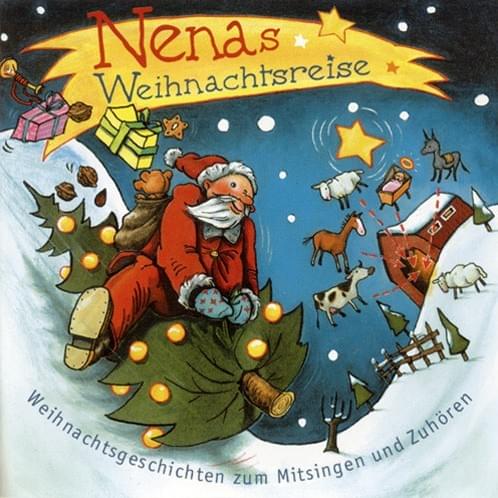
Nena's rendition of "Stille Nacht" (Silent Night) isn't just a Christmas carol; it's a stark psychological portrait of isolation and the fragile hope found in nascent innocence. Stripped of modern commercial gloss, the song’s power resides in its hushed simplicity. The opening lines, "Stille Nacht, heilige Nacht, Alles schläft, einsam wacht," immediately establish a dichotomy: a world slumbering in peace while a select few remain awake, burdened by awareness. This "einsam wacht" (lonely watch) speaks to the psychological weight carried by those who perceive the world differently, hinting at the anxieties and responsibilities tied to unique perspectives.
The lyrics subtly paint the nativity scene as less a triumphant arrival and more a sanctuary carved out of profound solitude. The "traute hochheilige Paar" (devoted, highly holy pair) suggests a closeness born not just of love, but of shared circumstance and perhaps even a shared burden. The focus on the "Holder Knabe im lockigen Haar" (beautiful boy with curly hair) isn't merely sentimental; it's an emphasis on vulnerability and potential. This imagery offers a fragile counterpoint to the surrounding darkness, a tiny spark of hope in an otherwise silent, watchful night.
Ultimately, Nena's interpretation taps into the deeper anxieties and yearnings associated with the holiday season. It's a reminder that even in moments of apparent peace, profound loneliness and responsibility can persist. The repeated plea to "Schlaf in himmlischer Ruh" (sleep in heavenly peace) becomes less a lullaby and more a desperate wish—a yearning for respite not just for the newborn child, but for all who find themselves awake and aware in the quiet darkness.
 View Artist